
Easy Chocolate Chickpea Truffles for Hormone Health
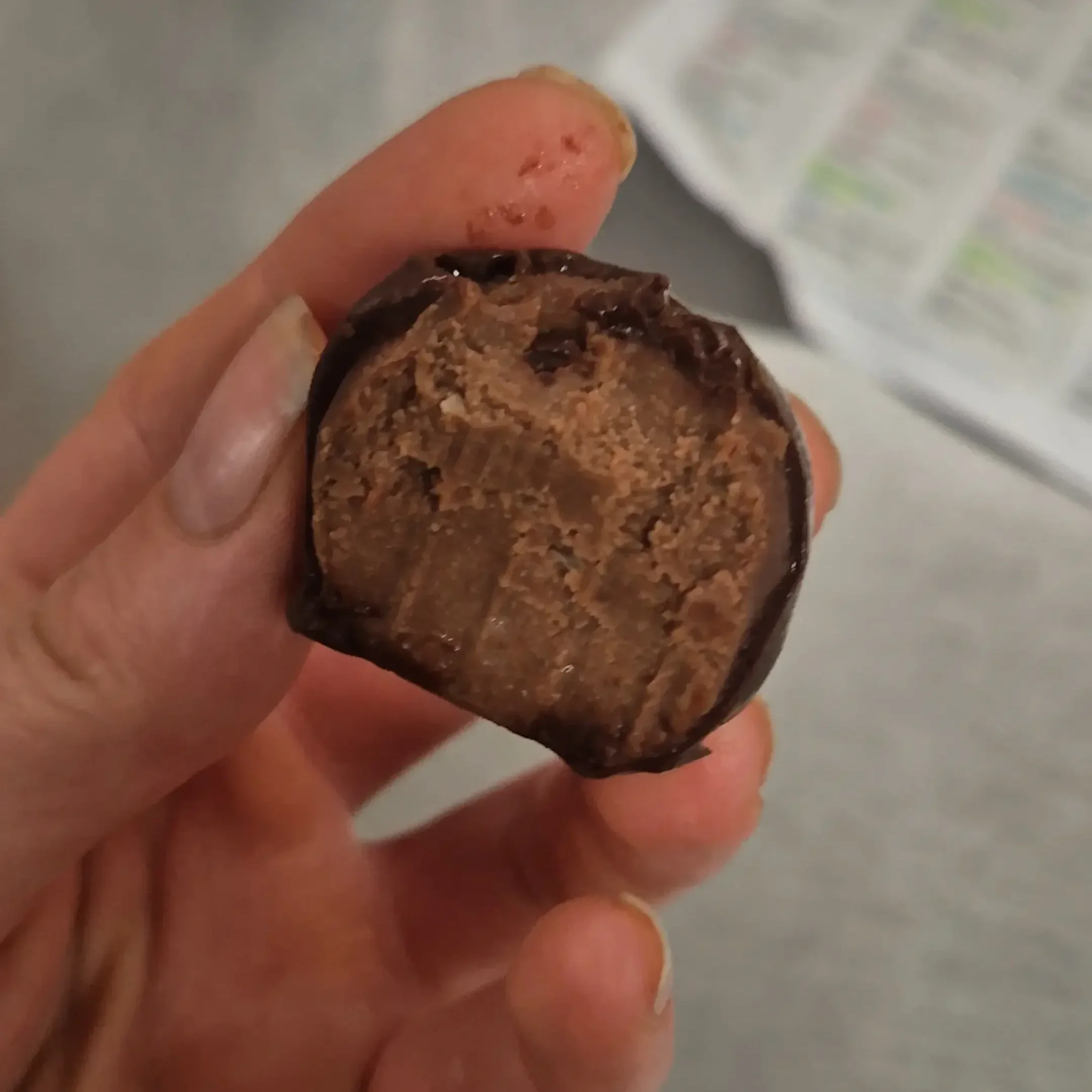
These easy chocolate chickpea truffles are one of my favourite examples of a recipe that is simple, satisfying, and still brings something nutritionally useful to the table. They are rich, fudgy, chocolatey, and made with just a handful of ingredients, which makes them perfect when you want a sweet bite without needing a long shopping list.
As a clinical nutritionist specialising in women’s health, I love recipes like this because they are practical. They include ingredients like chickpeas and tahini, which means they offer more than just flavour. Both foods have been studied for benefits related to metabolic health, cardiovascular health, digestive health, and nutrient intake, all of which matter in the bigger picture of hormone health (Jha et al., 2024; Sohouli et al., 2022).
If you already use seed cycling in your routine, tahini is also a really practical way to include sesame. That is why this recipe pairs beautifully with my seed cycling blog post, Seed Cycling for Beginners guide, and Cycle Sync Grocery List.
How are chickpeas good for women’s health?
Chickpeas are rich in fibre, plant protein, and key micronutrients including folate, iron, and magnesium. From a women’s health perspective, they can be especially useful because they help support fullness, blood sugar balance, digestive health, and overall dietary quality (Jha et al., 2024).
For many women, especially those dealing with PMS, PCOS, insulin resistance, irregular appetite, or energy crashes, meals and snacks that contain fibre and protein can make a real difference. Chickpeas are a practical pantry food that can help build that foundation.
Can chickpeas help with blood sugar balance?
Chickpeas may support blood sugar balance because they are digested more slowly than many refined carbohydrate foods. A systematic review and meta-analysis found that chickpeas reduced postprandial blood glucose more effectively than several refined carbohydrate comparison foods in acute feeding studies (Nam et al., 2023).
This matters for women’s health because blood sugar swings can contribute to cravings, mood shifts, low energy, and increased hunger later in the day. Stable blood sugar is not the only piece of hormone health, but it is a very important one.
That is one reason I like these truffles more than a typical ultra-processed sweet snack. Yes, they are still a treat, but they also contain chickpeas and tahini, which can make them more satisfying and supportive overall.
Are chickpeas good for gut health and hormone health?
Chickpeas are a good source of fibre, and fibre matters for both gut health and hormone health. Healthy bowel regularity is one of the practical foundations I look at in clinic, because the gut plays an important role in how the body processes and clears hormones.
In an Australian trial, chickpea supplementation improved satiety and bowel health outcomes, suggesting chickpeas can support digestive function in a very practical way (Murty et al., 2010). Other controlled trials have also shown benefits for satiety, bowel function, and glycaemic control when chickpeas are included regularly in the diet (Pittaway et al., 2007; Pittaway et al., 2008).
Are chickpeas good for heart and metabolic health in women?
Cardiometabolic health and hormone health are closely linked. This is especially relevant in women with PCOS, insulin resistance, weight concerns, or during the menopausal transition.
A scoping review of pulse intake found benefits across outcomes including blood glucose, blood pressure, cardiovascular risk, and inflammation-related markers (Zhao et al., 2024). Reviews of legume intake more broadly also support their role in reducing cardiovascular and metabolic disease risk (Mendes et al., 2023; Thorisdottir et al., 2023).
That does not mean chickpeas are a magic food, but it does mean they are a smart ingredient to include more often in a hormone-supportive eating pattern.
How is tahini good for women’s health?
Tahini is made from sesame seeds, so it provides healthy fats, minerals, and naturally occurring plant compounds including lignans. In women’s health, I like tahini because it is an easy, realistic way to include sesame in recipes without needing to sprinkle seeds on everything.
It is also a beautiful ingredient for making recipes more satisfying. Fat helps with flavour, texture, and fullness, which can make a snack feel more balanced and enjoyable.
Can tahini support blood sugar and cholesterol?
Sesame seeds and sesame products have been studied for their effects on blood glucose and blood lipids. A systematic review and meta-analysis found that sesame consumption had favourable effects on blood glucose levels, although effects on insulin resistance were less clear (Sohouli et al., 2022).
A separate systematic review and meta-analysis found that sesame fractions improved aspects of lipid profiles, which is relevant because cholesterol and cardiometabolic health are important considerations in women’s health, especially in PCOS and postmenopause (Khalesi et al., 2016).
What does sesame research say about women’s hormones?
Sesame is especially interesting in women’s health because it is commonly used in seed cycling, and there is some research looking at its effects in postmenopausal women. In one controlled trial, sesame ingestion influenced blood lipids, antioxidant status, and sex hormone-related markers in postmenopausal women (Wu et al., 2006).
We still need more high-quality human research before making overly strong claims, but the existing literature is promising enough to support sesame foods, like tahini, as part of a food-first women’s health approach (Arooj et al., 2023; Wei et al., 2022).
That is exactly why tahini works so well in this recipe. It adds richness, helps bind the filling, and ties in naturally with sesame-focused seed cycling foods. If you are already learning how to use sesame through my Seed Cycling for Beginners guide, seed cycling handouts, or Cycle Sync Grocery List, this recipe is an easy way to put that into practice.
Are dark chocolate chickpea truffles actually a balanced snack?
They can be a more balanced option than many standard sweets, especially when compared with snacks that are made mostly from sugar and refined ingredients. These truffles contain:
fibre and plant protein from chickpeas
healthy fats from tahini
polyphenol-rich dark chocolate
Dark chocolate, particularly when you choose 70% cacao or higher, can contribute polyphenols, while the chickpeas and tahini help make the truffles more satisfying overall. That combination is one reason they work well as a simple sweet recipe that still aligns with a food-first approach to hormone health.

Chocolate Chickpea Truffles
Makes: 24 truffles
Ingredients
1 can chickpeas, drained and rinsed
100 g tahini
100 g dark chocolate, melted, aim for 70% cacao or higher
For the coating
100 g dark chocolate, melted
1 teaspoon coconut oil
Method
Add the drained and rinsed chickpeas, tahini, and 100 g melted dark chocolate to a food processor.
Blend until smooth.
Place the mixture in the fridge for a couple of hours to firm up and make it easier to roll.
Roll into 24 even-sized balls.
Mix the remaining 100 g melted dark chocolate with 1 teaspoon coconut oil.
Dip each ball into the melted chocolate mixture to coat.
Allow to set, then store in the fridge.

If you enjoy recipes like this, it also makes sense to explore more ways of using seeds and legumes in everyday meals and snacks. That is where my seed cycling blog post, Seed Cycling for Beginners guide, and Cycle Sync Grocery List can help you turn the research into something practical and realistic.
If you want support beyond recipes and are ready for a more tailored plan, book an appointment with me through Feminalysis.

References
Arooj, A., Rasheed, H. M. F., Wang, X., Rizwan, M., Ahmat, A., Sun, L., Wang, L., & Chen, H. (2023). A comprehensive review of the bioactive components of sesame seeds and their impacts on bone health. Food & Function, 14(11), 4953-4971.
Jha, U. C., Nayyar, H., Jha, R., Siddique, K. H. M., & Nayyar, A. (2024). Unlocking the nutritional potential of chickpea. Frontiers in Nutrition, 11, Article 1372180.
Khalesi, S., Paukste, E., Nikbakht, E., & Khosravi-Boroujeni, H. (2016). Sesame fractions and lipid profiles: A systematic review and meta-analysis of controlled trials. British Journal of Nutrition, 115(5), 764-773.
Mendes, V., Fontes, F., de Oliveira, C., & Moreira, P. (2023). Intake of legumes and cardiovascular disease: A systematic review and dose-response meta-analysis. Nutrition, Metabolism and Cardiovascular Diseases, 33(2), 287-297.
Murty, C. M., Pittaway, J. K., & Ball, M. J. (2010). Chickpea supplementation in an Australian diet affects food choice, satiety and bowel health. Appetite, 54(1), 282-288.
Nam, T., Lee, M., Kim, J., & Lee, Y. (2023). Effectiveness of chickpeas on blood sugar: A systematic review and meta-analysis. Nutrients, 15(20), 4347.
Pittaway, J. K., Ahuja, K. D. K., Robertson, I. K., & Ball, M. J. (2007). Effects of a controlled diet supplemented with chickpeas on serum lipids, glucose tolerance, satiety and bowel function. Annals of Nutrition and Metabolism, 51(6), 512-518.
Pittaway, J. K., Robertson, I. K., & Ball, M. J. (2008). Chickpeas may influence fatty acid and fibre intake in an ad libitum diet, leading to small improvements in serum lipid profile and glycaemic control. Journal of the American Dietetic Association, 108(6), 1009-1013.
Sohouli, M. H., Fatahi, S., Lari, A., Sadeghi, O., Santos, H. O., Guimarães, N. S., Shidfar, F., & Alizadeh, M. (2022). Consumption of sesame seeds and sesame products has favorable effects on blood glucose levels but not on insulin resistance: A systematic review and meta-analysis of controlled clinical trials. Phytotherapy Research, 36(3), 1126-1134.
Thorisdottir, B., Gunnarsdottir, I., & Ramel, A. (2023). Legume consumption in adults and risk of cardiovascular disease and type 2 diabetes: A systematic review and meta-analysis. Food & Nutrition Research, 67, 9063.
Wei, P., Bao, K., Zhu, H., Zheng, Q., & Xu, C. (2022). Sesame (Sesamum indicum L.): A comprehensive review of nutritional value, phytochemical composition, health benefits, development of food, and industrial applications. Nutrients, 14(19), 4079.
Wu, W. H., Kang, Y. P., Wang, N. H., Jou, H. J., & Wang, T. A. (2006). Sesame ingestion affects sex hormones, antioxidant status, and blood lipids in postmenopausal women. The Journal of Nutrition, 136(5), 1270-1275.
Zhao, N., Zhang, Y., Dong, H., & Zhang, H. (2024). Pulse consumption and health outcomes: A scoping review. Nutrients, 16(10), 1458.
© 2026 Feminalysis. All rights reserved. No part of this recipe may be reproduced without written permission.