
Healthy Zucchini Chocolate Cake, No Refined Sugar
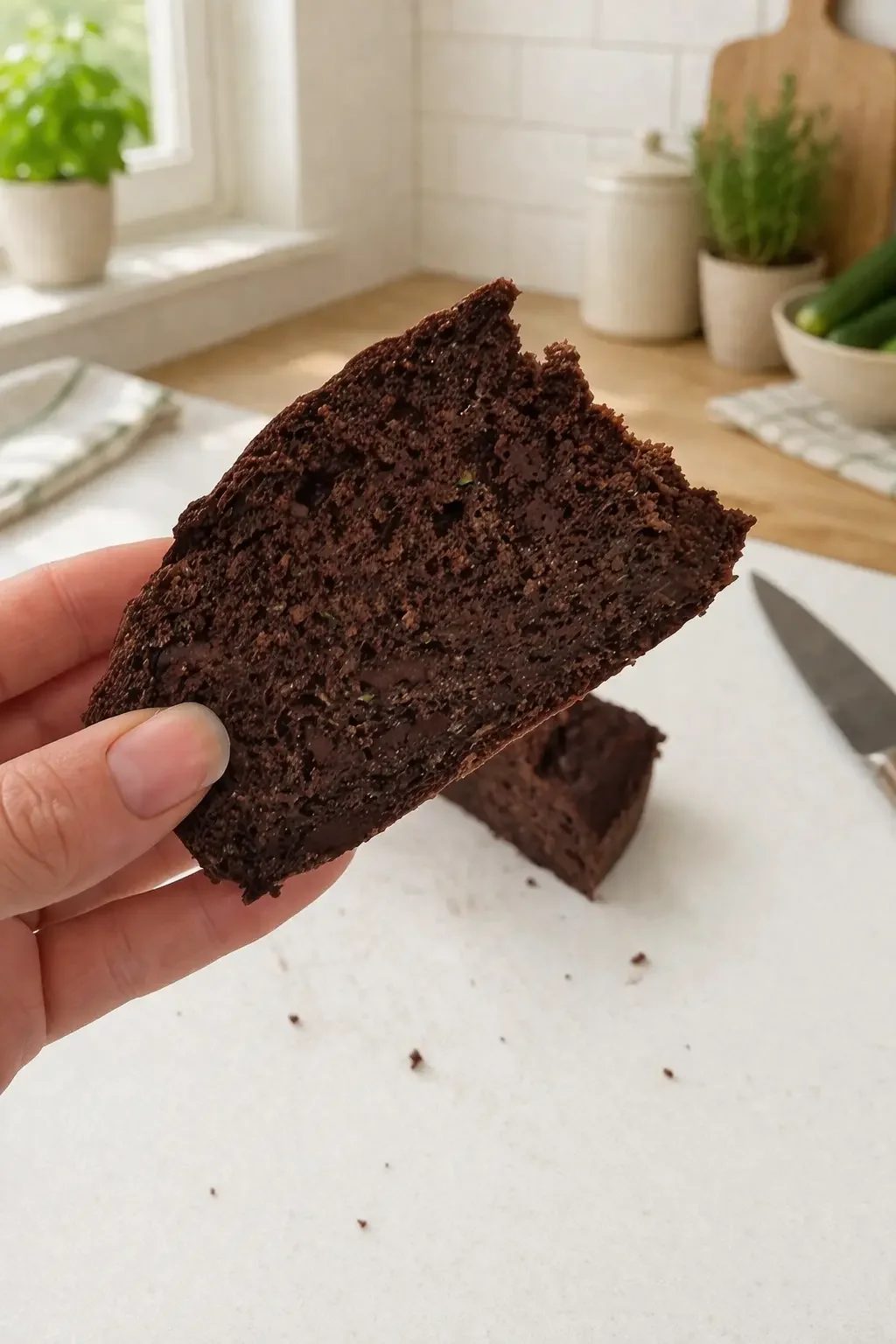
As a clinical nutritionist specialising in women’s health, I love recipes that make nourishing ingredients feel easy, familiar, and genuinely enjoyable. This healthy zucchini chocolate cake is rich, moist, chocolatey, and made with no refined sugar, but it also includes zucchini, oats, yoghurt, and eggs, which gives it a more balanced nutrition profile than many standard chocolate cakes. Higher intakes of wholegrains and fibre-rich foods are linked with better metabolic health, which can be relevant for women working on energy, blood sugar balance, and hormone health (Guo et al., 2021; Sanders et al., 2023). If you love practical healthy baking, you might also enjoy my carrot, zucchini and apple bread, which is another easy way to include extra produce in a family-friendly bake.
One of the best things about this recipe is that the zucchini completely disappears into the cake. It melts into the texture, adds moisture, and your kids will not even notice it is there. If you have a fussy eater at home, or you are simply trying to get more variety into your family’s diet, recipes like this can be a practical way to include vegetables in a form that feels easy and familiar. Research suggests that mixed dishes can meaningfully contribute to vegetable intake, especially in children and adolescents (Branum & Rossen, 2014).
Why add vegetables to cakes?
Adding vegetables to cakes is not about pretending cake is a salad. It is about improving the quality of a food people already enjoy. Zucchini works especially well in baking because it has a very mild flavour and brings a soft, moist texture without making the cake taste savoury. It is one of the easiest vegetables to hide in baking, which makes it ideal for kids and adults alike.
This matters because vegetable intake is often lower than recommended, especially in children, and frequency of exposure plays a role in long-term acceptance. Research shows that regular exposure to vegetables, including through different forms and recipes, can support improved acceptance over time (Barends et al., 2019; Nekitsing et al., 2018). Hidden vegetables should not be the only strategy, but they can absolutely be a helpful stepping stone. If hidden veg recipes work well in your house, my sweet potato and cottage cheese brownie is another simple bake to keep on rotation.
Is zucchini chocolate cake a better option for kids?
This is still cake, but it is a more nourishing cake. Compared with many standard chocolate cakes or packaged snack foods, this recipe includes more whole food ingredients and offers a practical way to build a snack around oats, eggs, yoghurt, and vegetables. It can be a simple option for lunchboxes, afternoon tea, or something homemade to keep in the fridge during the week.
For parents trying to improve food variety, recipes like this can help reduce pressure around eating. Rather than battling over obvious vegetables at every snack, you can create more opportunities for exposure in a lower-stress way. Home food environment and repeated exposure both play an important role in children’s eating habits over time (Pearson et al., 2009). For another kid-friendly snack idea made with more nourishing ingredients, try my sweet potato protein balls.
Can this recipe support women’s health?
No single recipe will fix hormone issues on its own, but your overall dietary pattern matters. This cake uses ingredients that fit more easily into a balanced, hormone-conscious way of eating than a standard refined chocolate cake.
The oats and wholemeal or spelt flour help increase the fibre content, and higher wholegrain intake has been associated with improved cardiometabolic outcomes in the research (Guo et al., 2021). Randomised controlled trial data also suggests wholegrain intake can improve postprandial glycaemic and insulinaemic responses when compared with refined grains (Sanders et al., 2023). This can be relevant for women looking at blood sugar regulation, appetite, energy, and conditions where insulin resistance may be a factor.
Fibre also matters more broadly for gut health, and gut health can influence hormone metabolism. While we cannot say this cake directly balances hormones, diets with more fibre-rich plant foods may support pathways involved in oestrogen metabolism and excretion (Zengul et al., 2021).
Cocoa and dark chocolate also contribute flavanols, which have been studied for cardiometabolic benefits in human trials and meta-analyses (Lin et al., 2016). Again, this does not make cake a health food, but it does mean that ingredient quality matters. If you are working on women’s health concerns like PMS, PCOS, energy issues, gut symptoms, or blood sugar balance, you can book an appointment with me for personalised nutrition support.
Why this recipe works
This cake is a great example of how healthy baking does not need to feel restrictive. The zucchini disappears completely into the crumb, the cocoa and dark chocolate give it a rich flavour, and the cinnamon and coffee deepen the chocolate without overpowering it. You end up with a cake that feels indulgent, but still gives you a more nourishing option for snacks or dessert.
If you love this style of baking, you might also enjoy my carrot, zucchini and apple bread for another hidden veg bake, or my sweet potato protein balls for an easy snack option made with more whole food ingredients.
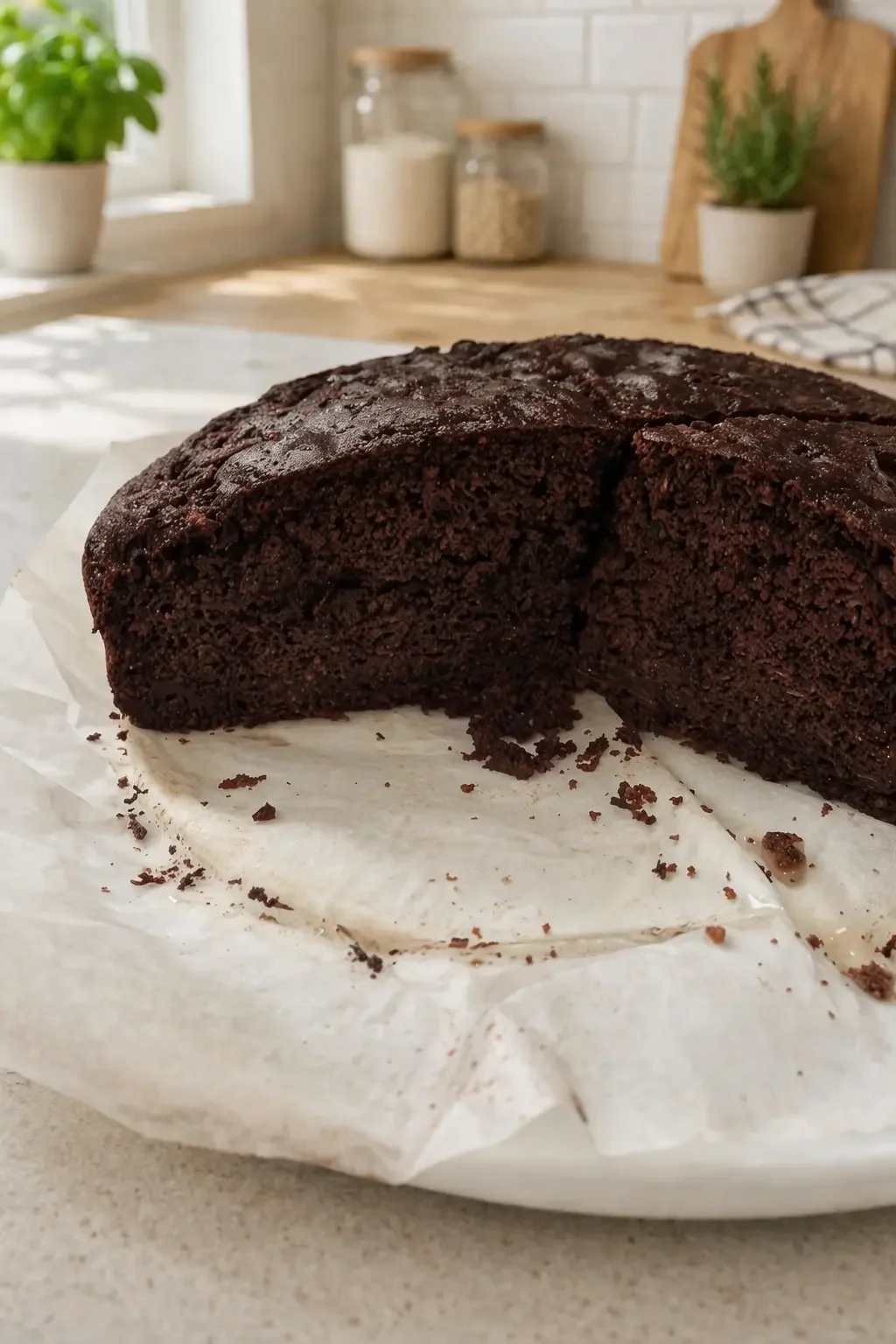
Zucchini Chocolate Cake
Serves: 12 to 16 slices
Prep time: 20 minutes
Cook time: 40 to 50 minutes
Ingredients
600 g zucchini, about 3 medium zucchinis, grated
1/2 tsp salt
1 tsp cinnamon
100 g oats
150 g wholemeal flour or spelt flour
60 g cocoa powder
2 tsp bicarb soda
1/2 tsp baking powder
1 tsp instant coffee
100 mL coconut oil, melted
200 g maple syrup
4 eggs
125 g yoghurt
100 g dark chocolate chips
Method
Preheat your oven to 170°C and line an 8-inch baking tin.
Grate the zucchini into a bowl, add the salt, stir, and allow it to sit while you prepare the rest of the mixture.
In a food processor or blender, add the oats, flour, cocoa powder, bicarb soda, baking powder, instant coffee, and cinnamon. Blend until combined and the mixture resembles a finer flour.
In a separate bowl, whisk together the melted coconut oil, maple syrup, eggs, and yoghurt until smooth.
Pour the wet mixture into the dry ingredients and whisk until combined.
Squeeze the excess moisture from the zucchini, then add the zucchini to the batter along with the dark chocolate chips.
Stir until evenly incorporated.
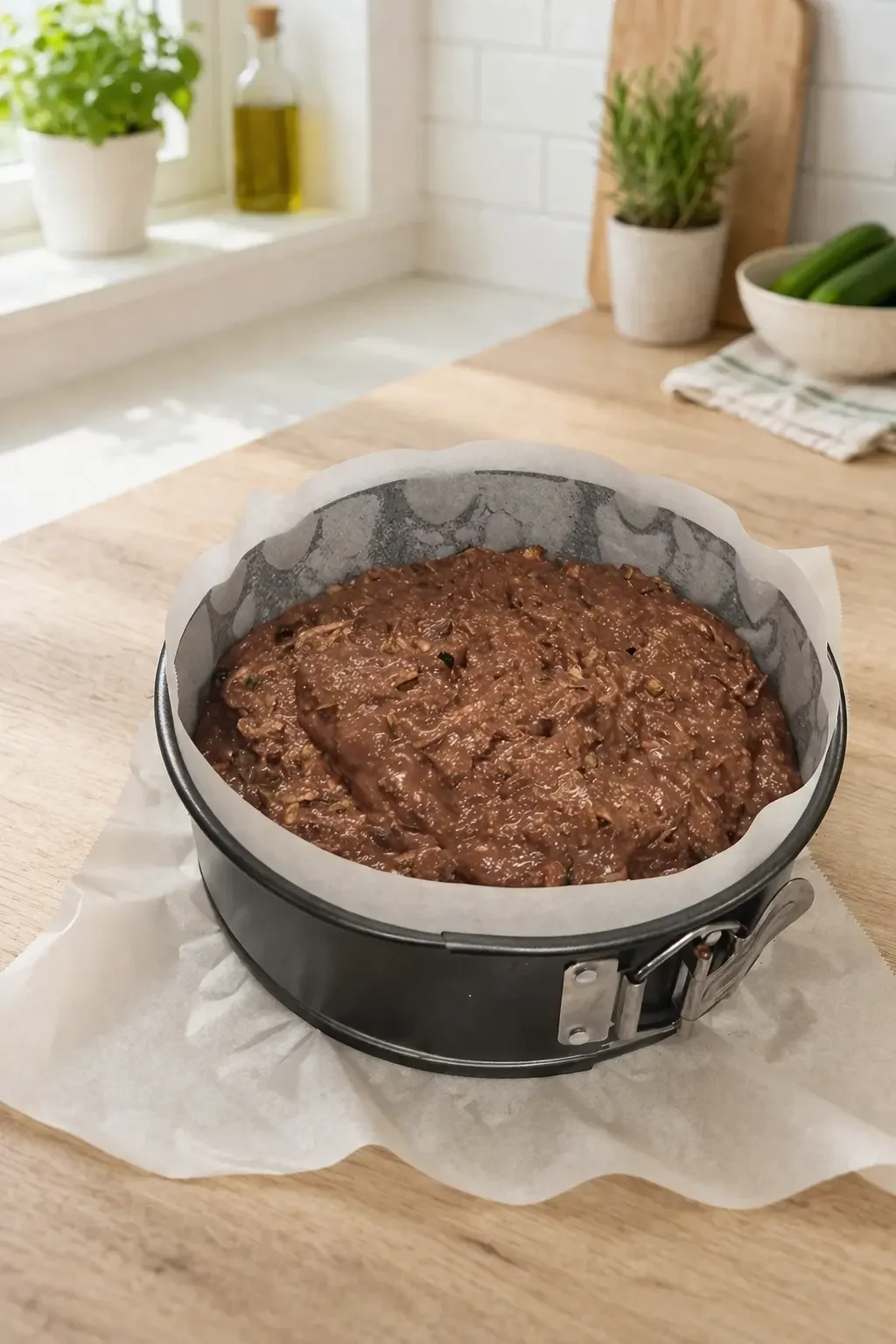
Pour the mixture into your lined tin and bake for 40 to 50 minutes, or until a skewer comes out clean.
Allow the cake to cool completely before slicing.
Tips for the best zucchini chocolate cake
Squeezing out the zucchini is important, otherwise the cake can become too wet.
Use dark chocolate chips for a richer flavour and a less sweet finish.
This cake stores well in the fridge, which makes it handy for lunchboxes and snacks through the week.
You can serve it as is, or warm slightly and top with yoghurt for a simple dessert.
A practical note from a clinical nutritionist
I always tell clients that healthy eating does not have to be all or nothing. Sometimes it simply looks like choosing a homemade cake with zucchini, oats, and dark chocolate instead of something more processed. These small swaps can add up over time and make healthy eating feel much more doable. If you are looking for more realistic ways to support your hormones, gut health, energy, or family nutrition, you can book an appointment with me for personalised support. And if you want a few more easy baking ideas to keep the momentum going, my carrot, zucchini and apple bread and sweet potato protein balls are a great place to start.
References
Barends, C., Weenen, H., Warren, J., Hetherington, M. M., de Graaf, C., & de Vries, J. H. M. (2019). A systematic review of practices to promote vegetable acceptance in the first three years of life. Appetite, 137, 174-197. https://doi.org/10.1016/j.appet.2019.02.003
Branum, A. M., & Rossen, L. M. (2014). The contribution of mixed dishes to vegetable intake among US children and adolescents. Public Health Nutrition, 17(9), 2053-2060. https://doi.org/10.1017/S1368980013002164
Guo, H., Ding, J., Liang, J., & Zhang, Y. (2021). Associations of whole grain and refined grain consumption with metabolic syndrome: A meta-analysis of observational studies. Frontiers in Nutrition, 8, 695620. https://doi.org/10.3389/fnut.2021.695620
Lin, X., Zhang, I., Li, A., Manson, J. E., Sesso, H. D., Wang, L., & Liu, S. (2016). Cocoa flavanol intake and biomarkers for cardiometabolic health: A systematic review and meta-analysis of randomized controlled trials. The Journal of Nutrition, 146(11), 2325-2333. https://doi.org/10.3945/jn.116.237644
Nekitsing, C., Blundell-Birtill, P., Cockroft, J. E., & Hetherington, M. M. (2018). Systematic review and meta-analysis of strategies to increase vegetable consumption in preschool children aged 2-5 years. Appetite, 127, 138-154. https://doi.org/10.1016/j.appet.2018.04.019
Pearson, N., Biddle, S. J. H., & Gorely, T. (2009). Family correlates of fruit and vegetable consumption in children and adolescents: A systematic review. Public Health Nutrition, 12(2), 267-283. https://doi.org/10.1017/S1368980008002589
Sanders, L. M., Zhu, Y., Wilcox, M. L., Koecher, K., & Maki, K. C. (2023). Whole grain intake, compared to refined grain, improves postprandial glycemia and insulinemia: A systematic review and meta-analysis of randomized controlled trials. Critical Reviews in Food Science and Nutrition, 63(21), 5339-5357. https://doi.org/10.1080/10408398.2021.2017838
Zengul, A. G., Han, B., Cordova, R. L., Lane, D., Chapkin, R. S., & Turner, N. D. (2021). Associations between dietary fiber, the fecal microbiota and estrogen metabolism in postmenopausal women with breast cancer. Nutrients, 13(2), 652. https://doi.org/10.3390/nu13020652
© 2026 Feminalysis. All rights reserved. No part of this recipe may be reproduced without written permission.