
Squash, Dark Chocolate and Mandarin Cake
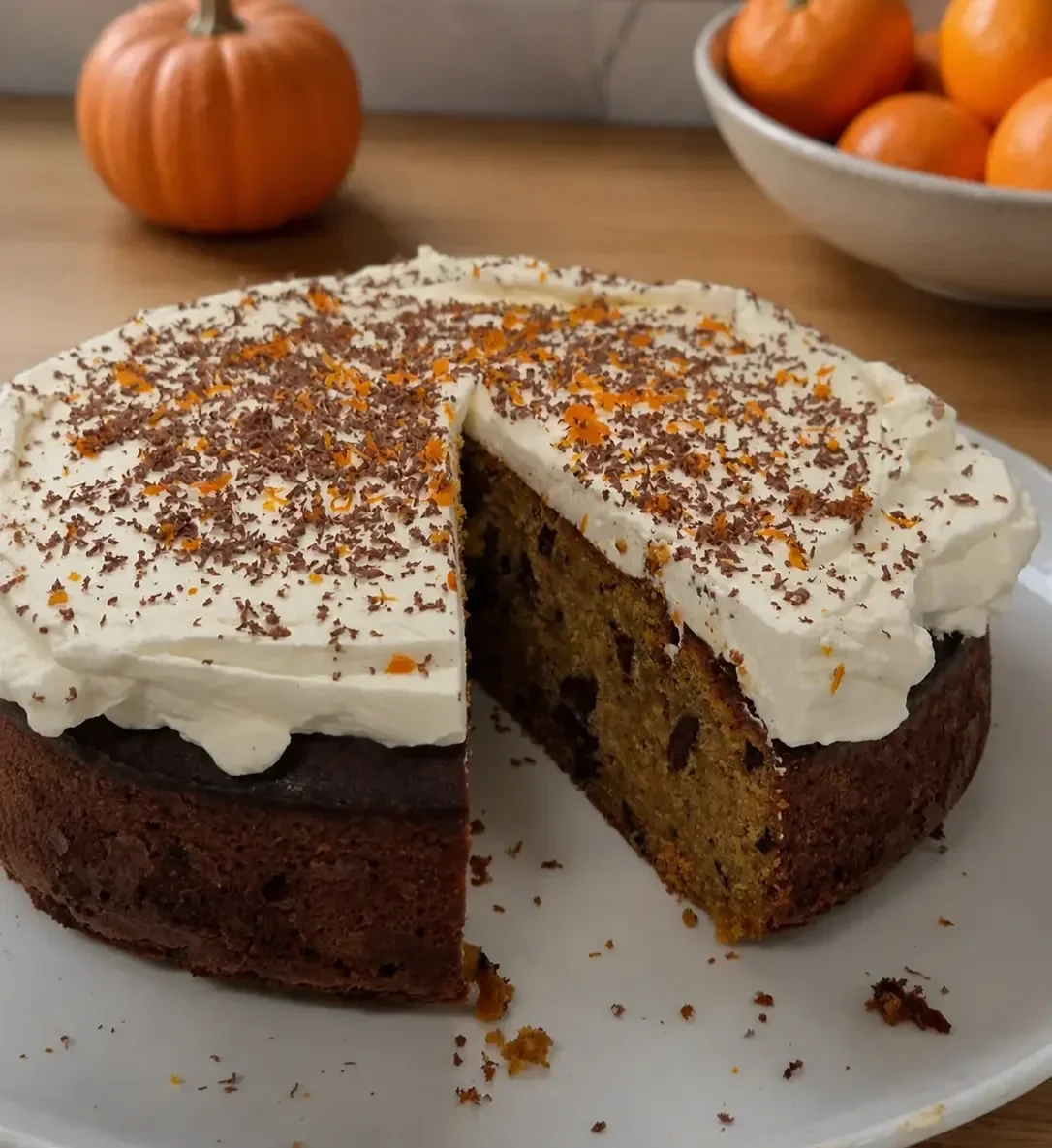
This hidden-vegetable chocolate cake is a practical option for families looking for a nutritionist-created dessert made with pumpkin or squash, wholegrains, seasonal mandarins and dark chocolate.
As both a Clinical Nutritionist and qualified chef, I do not believe that supporting your fertility, hormones or general health means giving up every food you enjoy.
Dessert can still have a place within a nutritious diet, including when you are preparing for pregnancy, navigating pregnancy nutrition or managing PCOS or PMOS. What matters is how it fits into your overall diet, whether your nutritional requirements are being met and whether your approach is realistic enough to maintain.
This squash, dark chocolate and mandarin cake is one example of how I like to make familiar desserts a little more nourishing. It contains pumpkin or squash, extra virgin olive oil, 70% dark chocolate and a combination of plain and buckwheat or wholemeal flour.
It is still cake. It contains honey, chocolate and a generous amount of extra virgin olive oil, so it is not a fertility treatment or a food that will manage PCOS on its own. Instead, it is a delicious, nutritionist-created dessert that can be enjoyed as part of a broader balanced eating pattern.
You can learn more about my online women’s health nutrition consultations or book an initial nutrition appointment. Consultations are available through telehealth across Australia.
Why add hidden vegetables to cake?
If you are happy to hide grated zucchini, carrot or mushrooms in your children’s meatballs, why not add vegetables to their treats as well?
Pumpkin and squash blend smoothly into cake batter, adding moisture, colour and a naturally mild sweetness without making the finished cake taste strongly of vegetables. It is an easy way to make a familiar dessert a little more nourishing while also using seasonal produce.
Of course, a vegetable-containing cake does not replace serving vegetables with meals and snacks. I still encourage offering vegetables in recognisable forms so children can become familiar with their different colours, flavours and textures.
However, there is nothing wrong with adding vegetables to baking as an extra opportunity for variety. Vegetables do not only belong in soups, salads and savoury meals.
In this dark chocolate and mandarin cake, the pumpkin or squash creates a soft, moist texture and works particularly well with citrus zest, cinnamon, nutmeg, olive oil and dark chocolate. The result still feels like a proper chocolate cake, just with a little more going on nutritionally.
A seasonal winter mandarin cake
Mandarins are in season during winter in New South Wales, while pumpkin is generally available throughout the year. This makes the recipe particularly suitable for winter baking when fresh Australian mandarins are easy to find (Sydney Local Health District, n.d.).
The mandarin zest provides a bright citrus flavour that balances the richness of the olive oil and dark chocolate.
You only need the zest for this recipe, so the remaining mandarin segments can be eaten as a snack, packed into lunchboxes or served alongside the cake. Orange zest can also be used when mandarins are no longer readily available.
Suitable pumpkin and squash varieties include:
Butternut pumpkin or butternut squash
Kent or Jap pumpkin
Kabocha squash
Queensland blue pumpkin
Acorn squash
Choose a pumpkin or squash with relatively dense flesh. If the cooked purée looks particularly watery, allow it to drain through a fine sieve before measuring it for the cake.
Buckwheat, wholemeal and gluten-free options
This cake uses both plain flour and your choice of buckwheat or wholemeal flour.
The plain flour provides structure, while the buckwheat or wholemeal flour adds a slightly nuttier flavour and increases the amount of fibre and less-refined grain ingredients used in the recipe.
Wholemeal flour produces a familiar wheat-based cake with a slightly heartier texture.
Buckwheat flour creates a darker, earthier flavour that works particularly well with chocolate, pumpkin and mandarin. Despite its name, buckwheat is not a variety of wheat and is naturally gluten-free.
However, the cake is not gluten-free as written because it still contains plain wheat flour.
To make the cake gluten-free:
Choose certified gluten-free buckwheat flour if you are preparing the cake for someone who needs to strictly avoid gluten.
Replace the 115 g plain flour with 115 g gluten-free plain flour.
Alternatively, replace the plain flour with 57.5 g gluten-free plain flour and 57.5 g almond meal.
Check that the baking powder and dark chocolate are also labelled gluten-free.
The gluten-free flour and almond meal combination will create a softer, more crumbly cake than using gluten-free plain flour alone.
Do not use the wholemeal flour option when preparing the gluten-free version, as wholemeal wheat flour still contains gluten.
Wholegrains, fertility and pregnancy nutrition
Carbohydrates are important before and during pregnancy, and I do not routinely recommend cutting out entire carbohydrate food groups when someone is trying to conceive.
The focus is generally on eating enough overall while choosing carbohydrate foods that also provide fibre, vitamins, minerals and lasting energy. Australian dietary guidance recommends choosing mostly wholegrain and high-fibre grain foods, with grain requirements increasing during pregnancy (National Health and Medical Research Council, 2013).
In practice, I encourage fertility and preconception clients to include wholegrain foods regularly, with the specific amount adjusted to their overall energy, carbohydrate and nutritional requirements.
Wholegrain choices could include:
Quinoa
Barley
Sprouted grain bread
Plain popcorn
Brown rice
Buckwheat
Whole oats
Rye
Wholegrain pasta
This approach sits within an overall eating pattern that provides adequate carbohydrate, protein, fats and total energy.
There is also some encouraging fertility research behind including wholegrains. Among women undergoing IVF, a higher intake of wholegrains before treatment was associated with a higher probability of implantation and live birth.
An additional 28 g of wholegrains per day was also associated with greater endometrial thickness, which may be one pathway through which wholegrain intake could support implantation and embryo receptivity (Gaskins et al., 2016).
This does not mean that eating a certain amount of wholegrains guarantees conception. Fertility is complex, and observational research cannot show that wholegrains directly caused the improved outcomes.
However, it does support focusing on the quality of your carbohydrates rather than unnecessarily removing carbohydrates when trying to conceive.
Wholegrains are also only one part of the picture. Preconception eating patterns containing vegetables, fruit, wholegrains and unsaturated fats have been associated with better fecundability, reinforcing the importance of looking at the overall diet rather than searching for one fertility superfood (Willis et al., 2022).
A fertility nutrition assessment may also consider your intake of:
Folate
Iron
Iodine
Choline
Omega-3 fats
Protein
Fibre
Vitamin D
Calcium
Overall energy and carbohydrate
Your menstrual cycle, pathology results, supplements, medications, symptoms, digestive health and fertility history may also influence what is appropriate for you.
For more comprehensive support, explore my Ultimate Pre-conception Nutrition Prep Program. The four-month program includes personalised consultations, nutrition and lifestyle planning, testing options and ongoing support.
Can dessert fit into PCOS nutrition?
Having PCOS or PMOS does not mean you need to completely remove chocolate, honey, carbohydrates or dessert.
The international evidence-based PCOS guideline recommends an individualised and sustainable approach to nutrition. There is no single dietary composition that has been shown to be superior for every person with PCOS or PMOS (Teede et al., 2023).
In a PCOS nutrition consultation, I may consider:
How regularly you eat throughout the day
Your overall protein and fibre intake
The types and portions of carbohydrates you eat
Insulin resistance or blood glucose concerns
Cravings, emotional eating or restrictive eating
Iron, vitamin D, folate and other nutrient requirements
Digestive symptoms and food tolerance
Your menstrual cycle and fertility goals
Your cooking skills, available time and lifestyle
Rather than labelling this cake as either good or bad, consider how it fits within your broader eating pattern.
You might enjoy a slice after a balanced meal rather than waiting until you are extremely hungry. You could also serve it with plain Greek yoghurt or unsweetened soy yoghurt to add some protein.
For more structured meal inspiration, my two-week PCOS meal plan includes a complete meal plan, shopping list and practical recipes.
You can also download my free Sweet Snacks That Actually Keep You Full guide for high-protein recipes and simple snack ideas for cravings, busy afternoons and after-dinner sweet tooth moments.
Is this cake dairy-free?
The cake batter does not contain butter, milk, yoghurt or cream.
However, not every dark chocolate is dairy-free. Some dark chocolate contains milk solids, while other products may carry allergen warnings because they are manufactured on equipment that also processes milk.
Choose a dark chocolate specifically labelled dairy-free when required.
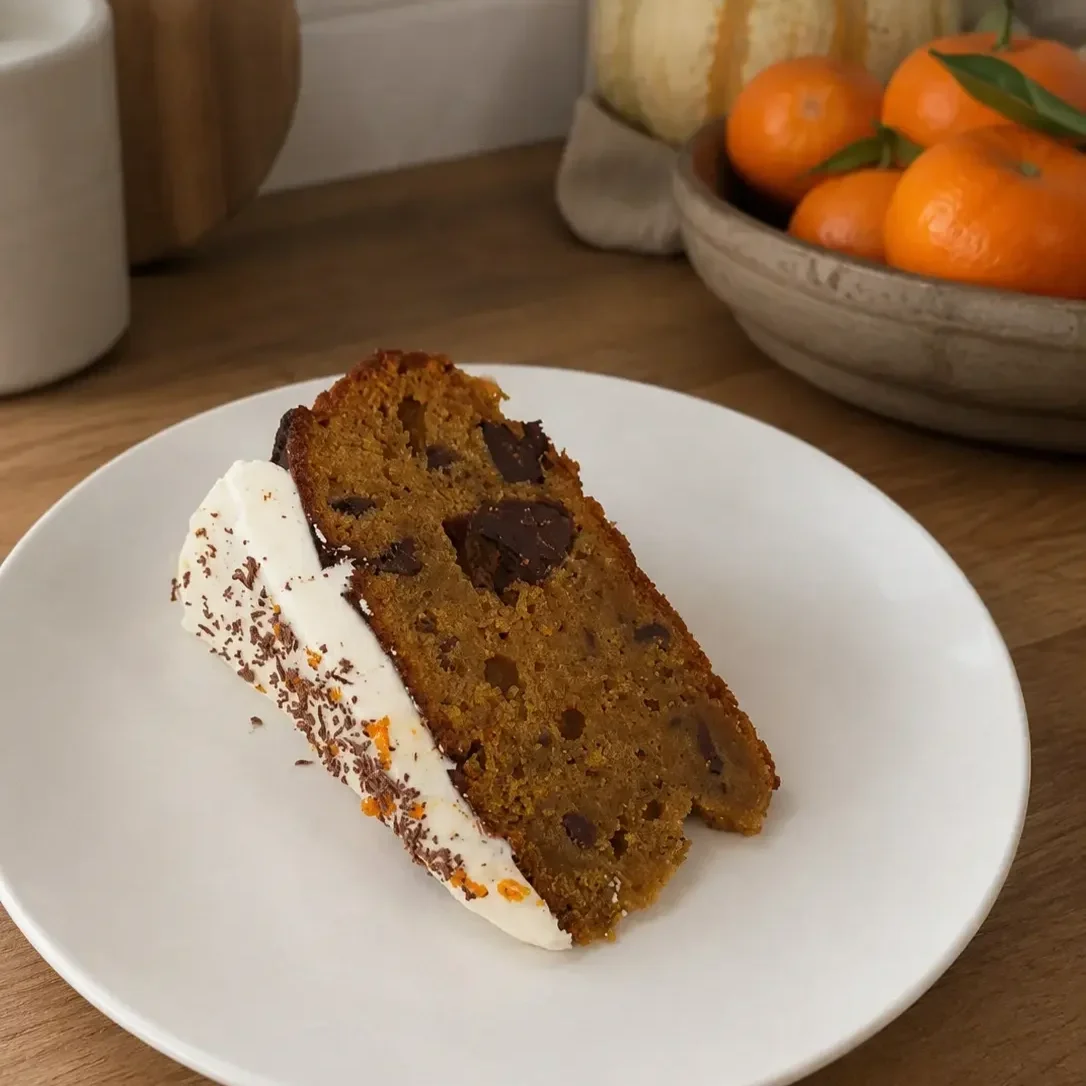
Squash Dark Chocolate and Mandarin Cake Recipe
Makes: One large cake
Serves: 12
Preparation time: 20 minutes
Cooking time: 45 to 55 minutes
Oven temperature: 160°C conventional or 150°C fan-forced
Ingredients
230 g cooked and puréed pumpkin or squash
115 g plain flour
115 g buckwheat flour or wholemeal flour
1 teaspoon baking powder
1 teaspoon ground cinnamon
2 teaspoons ground nutmeg
1 teaspoon fine salt
230 mL extra virgin olive oil
Finely grated zest of 2 mandarins
200 g honey
3 eggs
150 g 70% dark chocolate, roughly chopped
Method
Preheat the oven to 160°C conventional or 150°C fan-forced.
Grease and line a deep 20 to 22 cm round cake tin.
Make sure the cooked pumpkin or squash purée has cooled before adding it to the cake batter.
Place the plain flour, buckwheat or wholemeal flour, baking powder, cinnamon, nutmeg and salt into a separate bowl. Whisk until evenly combined and set aside.
Add the eggs and honey to the bowl of a stand mixer fitted with the whisk attachment.
Whisk on medium-high speed until the egg and honey mixture becomes pale, light and airy. This should take approximately four to six minutes.
Add the extra virgin olive oil, mandarin zest and pumpkin or squash purée.
Mix briefly on low speed until evenly combined.
Add the previously combined dry ingredients and mix on low speed until the flour is fully incorporated.
Remove the bowl from the stand mixer and fold through the chopped dark chocolate.
Transfer the batter to the prepared cake tin and smooth the surface.
Bake for 45 to 55 minutes, or until the centre is set and a skewer inserted into the middle comes out without wet cake batter. You may still see melted chocolate on the skewer.
Allow the cake to cool in the tin for approximately 15 minutes before carefully transferring it to a wire rack.
Leave the cake to cool before slicing, as the texture will continue to settle as it cools.
Recipe notes
Preparing the pumpkin or squash
The pumpkin or squash can be steamed, roasted or baked before being puréed.
Roasting generally produces a slightly drier purée, while steamed pumpkin may retain more water. If using steamed pumpkin, drain away any excess moisture before blending or mashing it.
Measure the 230 g after cooking and puréeing.
Making the gluten-free version
For a gluten-free cake, use:
115 g certified gluten-free buckwheat flour
115 g gluten-free plain flour
Alternatively, use:
115 g certified gluten-free buckwheat flour
57.5 g gluten-free plain flour
57.5 g almond meal
The almond meal variation will produce a softer and more crumbly texture.
Check that your baking powder and dark chocolate are also certified gluten-free when preparing the cake for someone with coeliac disease or another medical requirement to strictly avoid gluten.
Choosing the chocolate
Use a roughly chopped block of 70% dark chocolate if you would like irregular pockets of melted chocolate throughout the cake.
For a dairy-free cake, confirm that your chosen chocolate is labelled dairy-free.
How to store the cake
Store the cake in an airtight container for up to three days at a cool room temperature.
It can also be refrigerated for approximately five days. Allow refrigerated slices to return closer to room temperature before serving for a softer texture.
Individual slices can be wrapped and frozen for up to two months. Defrost them overnight in the refrigerator or leave them at room temperature until thawed.
Looking for a fertility or PCOS nutritionist?
Healthy recipes can provide inspiration, but they cannot tell you whether you are meeting your individual nutritional requirements.
A recipe cannot assess your iron stores, folate intake, thyroid health, menstrual cycle, digestive symptoms, medication use, supplements or fertility history. It also cannot determine whether the changes that helped another person are suitable for you.
A fertility nutrition appointment provides an opportunity to review your current diet, health history, symptoms, pathology results and fertility goals before creating a plan that suits your actual needs and lifestyle.
My online nutrition consultations can provide personalised support for:
Fertility and preconception nutrition
Pregnancy nutrition
PCOS or PMOS nutrition
Irregular menstrual cycles
PMS and hormone-related symptoms
Digestive concerns
Nutritional deficiencies
Personalised meal planning
General women’s health nutrition
Appointments are available through telehealth across Australia.
You can book an initial women’s health nutrition consultation, learn more about my nutrition consultations and packages, or explore the Ultimate Pre-conception Nutrition Prep Program.
References
Gaskins, A. J., Chiu, Y. H., Williams, P. L., Keller, M. G., Toth, T. L., Hauser, R., & Chavarro, J. E. (2016). Maternal whole grain intake and outcomes of in vitro fertilization. Fertility and Sterility, 105(6), 1503-1510.e4.
National Health and Medical Research Council. (2013). Australian dietary guidelines. Australian Government.
Sydney Local Health District. (n.d.). Seasonal fruit and vegetable guide.
Teede, H. J., Tay, C. T., Laven, J. J. E., Dokras, A., Moran, L. J., Piltonen, T. T., Costello, M. F., Boivin, J., Redman, L. M., Boyle, J. A., Norman, R. J., Mousa, A., & Joham, A. E. (2023). Recommendations from the 2023 international evidence-based guideline for the assessment and management of polycystic ovary syndrome. Human Reproduction, 38(9), 1655-1679.
Willis, S. K., Hatch, E. E., Laursen, A. S. D., Wesselink, A. K., Mikkelsen, E. M., Tucker, K. L., Rothman, K. J., Mumford, S. L., & Wise, L. A. (2022). Dietary patterns and fecundability in two prospective preconception cohorts. The American Journal of Clinical Nutrition, 116(5), 1441-1451.
© 2026 Feminalysis. All rights reserved. No part of this recipe may be reproduced without written permission.