
Healthy Carrot Cake Recipe with Wholefood Ingredients
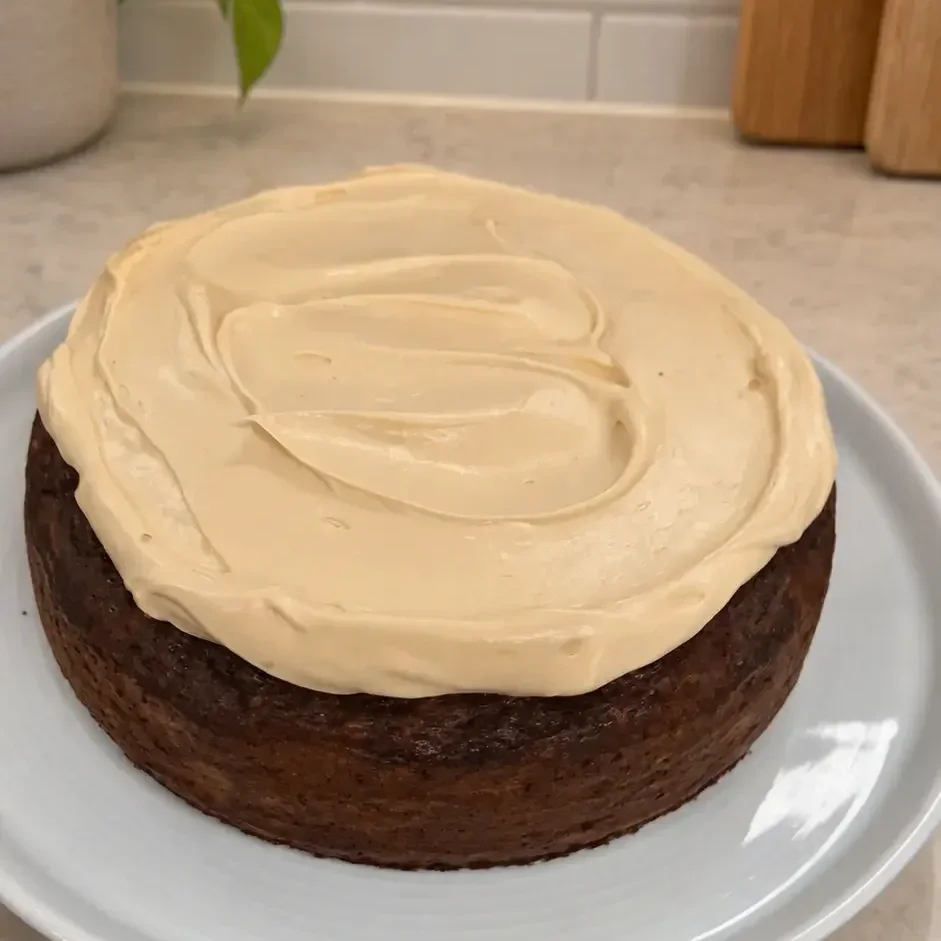
There is something about a homemade carrot cake that never gets old. The warm cinnamon and spices, naturally sweet carrots and moist texture make it one of those cakes I could happily eat any time of the year.
As both a chef and clinical nutritionist, I love finding ways to incorporate more wholefood ingredients into everyday baking without compromising on flavour or texture. This healthy carrot cake recipe uses grated carrots, almond meal, oat flour, ground flaxseeds, pepitas and extra virgin olive oil to create a beautifully moist, naturally sweetened cake.
Instead of relying on refined sugar for sweetness, I've used honey and raisins, which are blended into a paste before being added to the batter. The result is a soft, spiced carrot cake with plenty of texture and a little extra nutritional value.
And because carrot cake wouldn't be complete without a creamy topping, I've included a few different frosting options, including my favourite combination of mascarpone, maple syrup and cinnamon.
What Makes This a Better-for-You Carrot Cake?
I don't believe that making a healthier cake means removing everything that makes cake enjoyable. For me, it's about choosing ingredients that offer a little more nutritionally while still making something delicious.
This better-for-you carrot cake includes:
Carrots: Provide dietary fibre and beta-carotene, a plant pigment the body can convert into vitamin A.
Oat flour: Provides carbohydrates and fibre, including beta-glucan, a type of soluble fibre naturally found in oats.
Almond meal: Adds unsaturated fats, vitamin E and a lovely moist texture.
Ground flaxseeds: Contain fibre, plant-based omega-3 fatty acids (alpha-linolenic acid) and lignans.
Extra virgin olive oil: Provides predominantly monounsaturated fats and naturally occurring polyphenols.
Pepitas: Contribute magnesium, zinc, protein and unsaturated fats.
Raisins and honey: Provide sweetness, with raisins also contributing some fibre and naturally occurring plant compounds.
While honey and raisins are alternatives to refined sugar, they still contribute sugars to the recipe. The benefit here isn't that the cake is sugar-free, but that it incorporates a wider variety of nutrient-containing ingredients.
Why Minimally Processed Foods Matter for Health
One of the reasons I enjoy baking from scratch is having control over the ingredients I use.
Whole and minimally processed foods, including vegetables, fruit, wholegrains, nuts and seeds, form an important part of a nutritious dietary pattern. They provide fibre, vitamins, minerals and a range of naturally occurring plant compounds that contribute to long-term health.
Research has increasingly examined the relationship between ultra-processed food consumption and health outcomes.
A large umbrella review published in The BMJ examined 45 pooled analyses involving almost 9.9 million participants. Researchers found that higher consumption of ultra-processed foods was associated with an increased risk of several adverse health outcomes, particularly cardiovascular disease, type 2 diabetes and poorer mental health outcomes (Lane et al., 2024).
Not all processed foods are nutritionally poor, either. Yoghurt, oat flour and ground flaxseeds are all examples of foods that have undergone processing while still providing valuable nutrients.
The takeaway isn't that we need to avoid every packaged food or make everything from scratch. Rather, it's about making whole and minimally processed foods a regular part of our overall diet.
And if that includes making a delicious homemade carrot cake, even better.
Carrots, Beta-Carotene and Women's Health
Carrots are particularly well known for their beta-carotene content, the orange pigment that gives them their distinctive colour.
Beta-carotene is a provitamin A carotenoid, meaning the body can convert it into vitamin A as needed.
Vitamin A is an essential nutrient involved in normal immune function, vision, cellular growth and reproductive health. It also plays a role in healthy growth and development during pregnancy (National Institutes of Health, Office of Dietary Supplements, n.d.).
Although carrots aren't a treatment for hormonal imbalances, incorporating beta-carotene-rich vegetables into the diet is one way to support adequate vitamin A intake as part of a varied dietary pattern.
An interesting nutritional benefit of combining carrots with olive oil is that dietary fat helps the body absorb carotenoids.
Research published in The American Journal of Clinical Nutrition found that the type and physical form of dietary fat influenced carotenoid absorption from vegetables, with olive oil supporting carotenoid bioavailability in the study (Yao et al., 2023).
This doesn't mean that every gram of beta-carotene in this cake will be absorbed, but it highlights how different ingredients can complement one another nutritionally.
It's also another reason why I prefer incorporating healthy fats into recipes rather than automatically trying to remove them.
Fibre, Flaxseeds and Women's Metabolic Health
Another nutritional feature of this healthy carrot cake is the combination of oat flour, ground flaxseeds, carrots and raisins, all of which contribute dietary fibre.
Fibre supports digestive function and contributes to a healthy gut environment. Depending on the type of fibre, it can also help with cholesterol management, satiety and post-meal blood glucose responses.
Flaxseeds are particularly interesting from a nutritional perspective because they contain both soluble and insoluble fibre, plant-based omega-3 fatty acids and lignans, which are naturally occurring phytoestrogens (Kajla et al., 2015).
Although research has explored how flaxseed lignans interact with oestrogen metabolism, we don't yet have sufficient evidence to suggest that eating flaxseeds alone will correct hormonal imbalances.
However, including ground flaxseeds in your diet can be a simple way to increase fibre and beneficial plant compounds. Grinding flaxseeds also makes their nutrients more accessible during digestion compared with eating whole seeds.
Looking for another way to incorporate flaxseeds into your diet? Try my Easy Flaxseed Bread for Hormone and Gut Health, a fibre-rich homemade bread made with flaxseeds, sunflower seeds and psyllium husk.
Wholegrain intake has also been associated with favourable long-term health outcomes. A systematic review and meta-analysis published in The BMJ found that greater wholegrain consumption was associated with a lower risk of cardiovascular disease and all-cause mortality (Aune et al., 2016).
For women's health, supporting metabolic health through an overall balanced dietary pattern can be particularly relevant, including for women managing insulin resistance or polycystic ovary syndrome (PCOS).
Of course, one slice of cake isn't going to determine your metabolic health. It's your overall dietary pattern that matters most.
And there's absolutely room for cake within that.
Healthy Carrot Cake Recipe
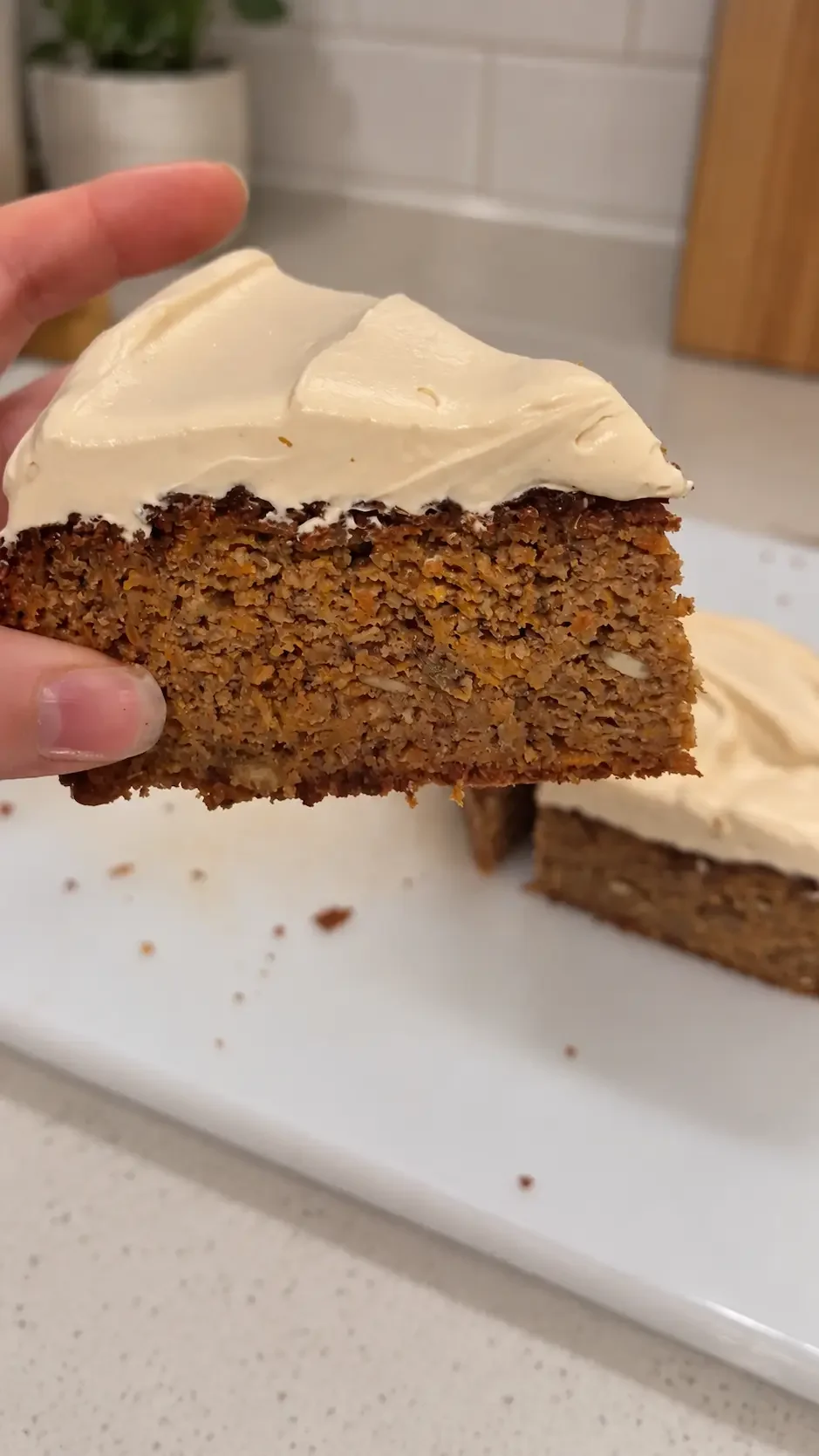
This recipe makes one beautifully moist, spiced carrot cake using oat flour, almond meal, grated carrots, raisins and extra virgin olive oil.
Preparation time: Approximately 20 minutes
Cooking time: Approximately 50 minutes, depending on tin size
Yield: 1 cake, approximately 12-16 slices
Oven temperature: 160°C
Tin: Approximately 20-25 cm round cake tin, lined
Ingredients
Wet ingredients
400 g carrots, grated
130 g raisins
100 g honey
100 mL extra virgin olive oil
3 eggs
100 g plain yoghurt
1 tsp vanilla extract
Dry ingredients
150 g oat flour
150 g almond meal
20 g ground flaxseeds
1½ tsp baking powder (6 g)
1 tsp bicarbonate of soda (4 g)
½ tsp fine salt (3 g)
2 tsp ground cinnamon
½ tsp ground ginger
½ tsp ground nutmeg
50 g pepitas (pumpkin seeds)
Method
Preheat the oven. Preheat your oven to 160°C and line a 20-25 cm round cake tin with baking paper.
Blend the raisins. Add the raisins, honey and extra virgin olive oil to a food processor or high-speed blender. Blend until the raisins break down and form a thick paste.
Add the remaining wet ingredients. Add the eggs, yoghurt and vanilla extract to the blender and blend until smooth and well combined. Transfer the mixture to a large mixing bowl.
Combine the dry ingredients. In a separate bowl, add the oat flour, almond meal, ground flaxseeds, baking powder, bicarbonate of soda, salt, cinnamon, ginger and nutmeg. Mix until evenly combined.
Mix the batter. Add the dry ingredients to the wet mixture and whisk until thoroughly incorporated and no dry flour remains.
Fold through the carrots and pepitas. Add the grated carrots and pepitas, gently folding them through until evenly distributed throughout the batter.
Bake. Pour the batter into the prepared cake tin and smooth the surface. Bake for approximately 50 minutes, or until a skewer inserted into the centre comes out clean or with a few moist crumbs.
Cool. Allow the cake to cool in the tin for approximately 15 minutes before transferring it to a wire rack. Let it cool completely before adding your chosen frosting.
Baking note: A smaller, deeper cake will generally take longer to bake than a wider, shallower one. Begin checking around 45-50 minutes and continue baking as needed until the centre is cooked through.
Healthy Carrot Cake Frosting Ideas
I topped my carrot cake with a simple mascarpone frosting made with maple syrup and cinnamon. It has a beautiful creamy texture, with just enough sweetness to complement the spices without overpowering them.
However, there are a few different ways you can finish this cake depending on your preferences.
Mascarpone, Maple Syrup and Cinnamon Frosting
My personal favourite for this recipe.
Simply combine mascarpone with a little maple syrup and ground cinnamon, mixing until smooth and spreadable.
The mascarpone provides a rich, creamy texture similar to traditional cream cheese frosting, while the maple syrup adds sweetness.
Greek Yoghurt Frosting
For something a little lighter and tangier, combine thick Greek yoghurt with maple syrup or honey and a pinch of cinnamon.
Greek yoghurt also contributes protein and calcium, making it a lovely alternative to traditional frosting.
For the best consistency, use a thick Greek-style yoghurt or strained yoghurt so the topping doesn't become too runny.
Silken Tofu Frosting
If you're looking for a dairy-free alternative, silken tofu makes a surprisingly creamy frosting.
Blend drained silken tofu with maple syrup, vanilla and cinnamon until completely smooth.
Silken tofu also contributes plant-based protein, making it another option if you're looking to incorporate more protein-containing ingredients into your baking.
Tip: Whichever frosting you choose, make sure the cake has completely cooled before spreading it over the top.
Storage and Recipe Tips
Can I make this carrot cake gluten-free?
This recipe doesn't contain wheat flour, but it does contain oats. Under Australian food standards, foods containing oats cannot be labelled gluten-free. People with coeliac disease should discuss the suitability of pure, uncontaminated oats with their treating healthcare team. For a gluten-free version, the oat flour would need to be replaced with a suitable gluten-free flour, although I haven't tested this substitution.
Can I make this carrot cake ahead of time?
Absolutely. You can bake the cake the day before serving and add the frosting once it has completely cooled.
How should I store it?
Store the cake in an airtight container in the refrigerator for approximately 3-4 days. This is particularly important if you're using mascarpone, yoghurt or tofu frosting.
For the best texture, allow a slice to sit at room temperature briefly before serving, without leaving the dairy or tofu frosting unrefrigerated for extended periods.
Can I freeze it?
Yes. The unfrosted cake can be wrapped well and frozen for up to 3 months for best quality. You can also freeze individual slices for an easy homemade snack.
Thaw in the refrigerator before serving.
Can I use store-bought oat flour?
Yes, or you can make your own by blending rolled oats in a high-speed blender until they resemble a fine flour.
Enjoying Cake as Part of a Balanced Diet
Healthy eating doesn't need to mean giving up your favourite foods or trying to make every meal nutritionally perfect.
As a clinical nutritionist, I encourage a balanced approach to food, where nutrition, enjoyment and flexibility can all exist together.
This healthy carrot cake is one example of how everyday baking can incorporate a wider variety of wholefood ingredients while still being something you genuinely enjoy eating.
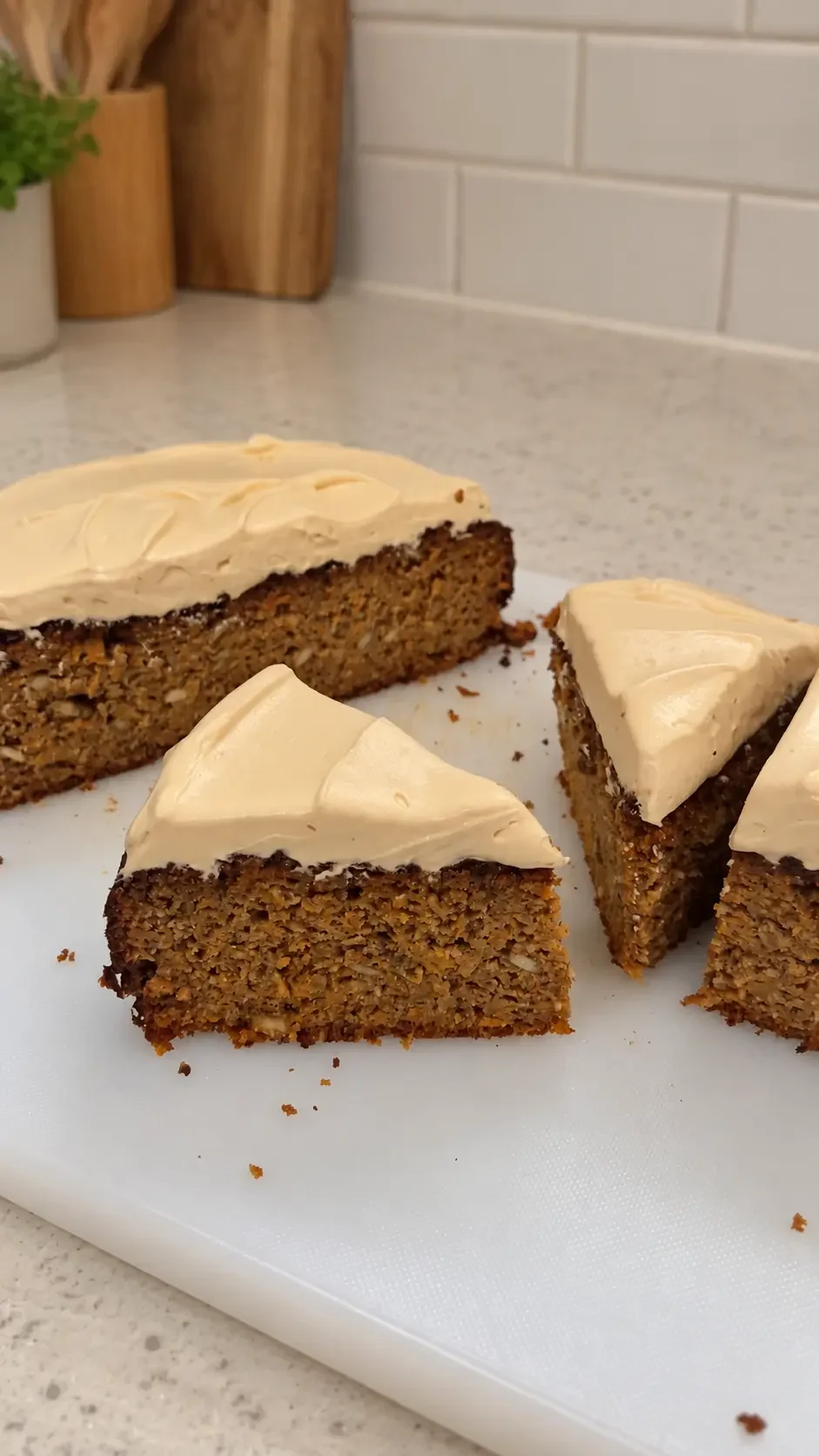
It's soft, warmly spiced, naturally sweetened and delicious with a generous layer of mascarpone frosting.
Looking for more sweet snacks that offer a little extra nutritional value?
I've put together a free Sweet Snacks That Actually Keep You Full guide, filled with easy, protein-rich recipes and practical snack ideas for busy afternoons, sweet cravings and those times you just feel like something delicious.
Whether you're making this carrot cake for afternoon tea, a birthday or simply because you feel like baking, I hope you enjoy it as much as I do.
For personalised nutrition support with PCOS, hormonal health or metabolic wellbeing, explore the services available through Feminalysis Clinical Nutrition.
References
Aune, D., Keum, N., Giovannucci, E., Fadnes, L. T., Boffetta, P., Greenwood, D. C., Tonstad, S., Vatten, L. J., Riboli, E., & Norat, T. (2016). Whole grain consumption and risk of cardiovascular disease, cancer, and all cause and cause specific mortality: Systematic review and dose-response meta-analysis of prospective studies. BMJ, 353, i2716. https://doi.org/10.1136/bmj.i2716
Kajla, P., Sharma, A., & Sood, D. R. (2015). Flaxseed: A potential functional food source. Journal of Food Science and Technology, 52(4), 1857-1871. https://doi.org/10.1007/s13197-014-1293-y
Lane, M. M., Gamage, E., Du, S., Ashtree, D. N., McGuinness, A. J., Gauci, S., Baker, P., Lawrence, M., Rebholz, C. M., Srour, B., Touvier, M., Jacka, F. N., O'Neil, A., Segasby, T., & Marx, W. (2024). Ultra-processed food exposure and adverse health outcomes: Umbrella review of epidemiological meta-analyses. BMJ, 384, e077310. https://doi.org/10.1136/bmj-2023-077310
National Institutes of Health, Office of Dietary Supplements. (n.d.). Vitamin A and carotenoids: Fact sheet for health professionals. https://ods.od.nih.gov/factsheets/VitaminA-HealthProfessional/
Yao, Y., Yang, Z., Yin, B., Goh, H. M., Toh, D. W. K., & Kim, J. E. (2023). Effects of dietary fat type and emulsification on carotenoid absorption: A randomized crossover trial. The American Journal of Clinical Nutrition, 117(5), 1017-1025. https://doi.org/10.1016/j.ajcnut.2023.03.011
© 2026 Feminalysis. All rights reserved. No part of this recipe may be reproduced without written permission.