
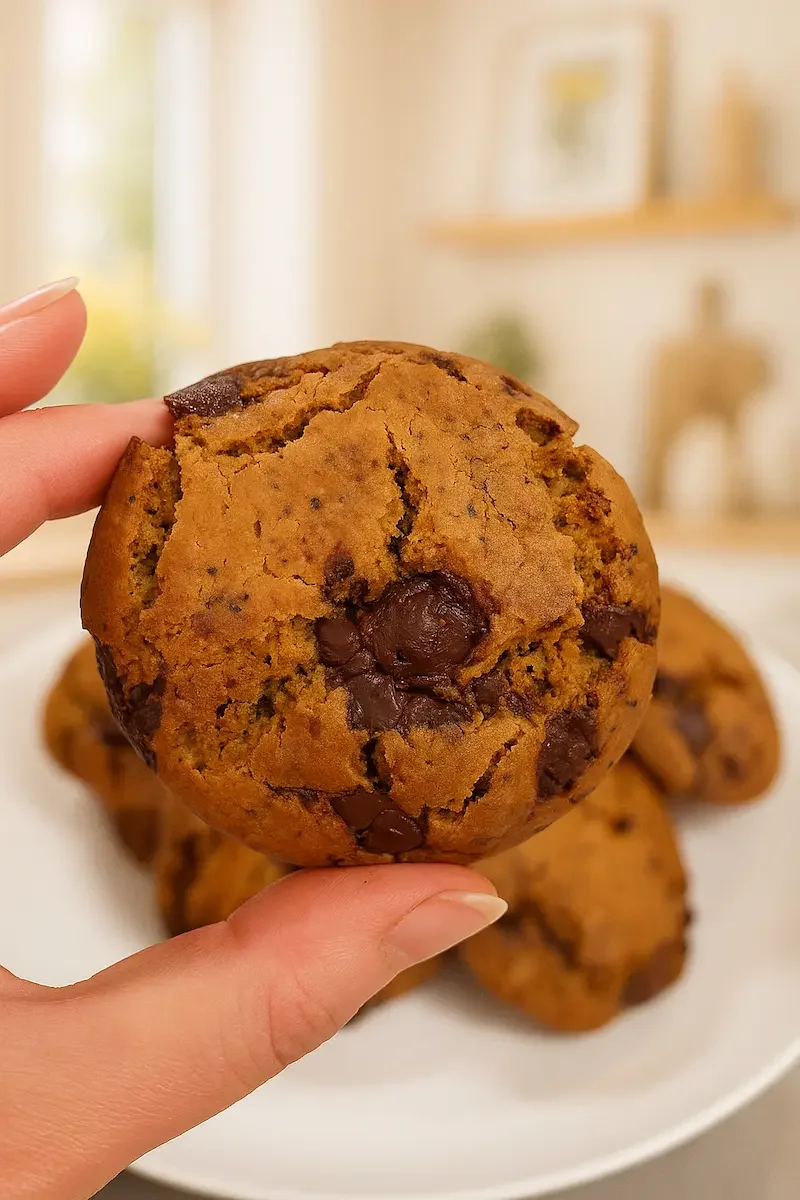
Gluten-Free Hemp Seed Chocolate Chip Cookies
Why hemp seeds are a women’s health powerhouse
Hemp seeds are one of the most nutrient-dense seeds you can add to your diet. They contain all nine essential amino acids, making them a complete plant-based protein source, while being rich in magnesium, zinc, and omega-3 fatty acids (Callaway, 2004). These nutrients support energy, mood, and hormone regulation, three areas many women struggle with.
Hemp seeds have a favourable omega-6 to omega-3 ratio, particularly due to their content of gamma-linolenic acid (GLA). Research has shown that GLA may help reduce symptoms of premenstrual syndrome (PMS) such as breast tenderness, mood changes, and water retention (Watanabe et al., 2019). It may also assist in modulating inflammatory prostaglandins, which can ease menstrual discomfort and promote hormonal balance.
Emerging animal studies have linked hemp seed consumption with improved post-menopausal outcomes, including reduced anxiety-like behaviour and better lipid metabolism (Leizer et al., 2000). While more human data is needed, these findings suggest hemp seeds could have potential in supporting hormone stability during menopause.
Besan flour and hormone health
These cookies also include besan (chickpea) flour, which offers its own hormone-supportive benefits. Legume-based flours like besan are rich in plant protein and soluble fibre, helping to improve blood-glucose stability and reduce insulin resistance, which is particularly valuable for women with PCOS (Pittaway et al., 2008).
Regular legume intake has been shown to support healthy oestrogen metabolism, reduce inflammation, and provide a steady source of phytoestrogens and resistant starch that fuel beneficial gut bacteria (Messina, 2014). All of these effects can have downstream benefits for hormone regulation, particularly in conditions like PMS, PCOS, and perimenopause.
If you’re curious about how legumes and phytoestrogens fit into a hormone-balancing diet, read my earlier article on seed cycling and hormone support or download the Seed Cycling Grocery List handout from my Free Resources page.
A nourishing treat that’s lunchbox friendly
These gluten-free hemp seed chocolate chip cookies are the kind of snack that hits all the right notes: nutrient-dense, high in healthy fats and fibre, and refined-sugar-free. They’re easy to pack into school or work lunchboxes, freeze beautifully, and make a satisfying afternoon snack with tea or coffee.
If you enjoy baking hormone-friendly treats, try my Five-Ingredient Seed Crackers, Sunflower Seed Pesto, or Apple Pie Spice Granola for more ways to add seeds and legumes into your diet.
And if you’re struggling with hormone symptoms like PMS, irregular periods, or fatigue, consider booking a Free 10-Minute Pre-Consult Screening to discuss your symptoms and find a tailored nutrition plan that fits your needs.
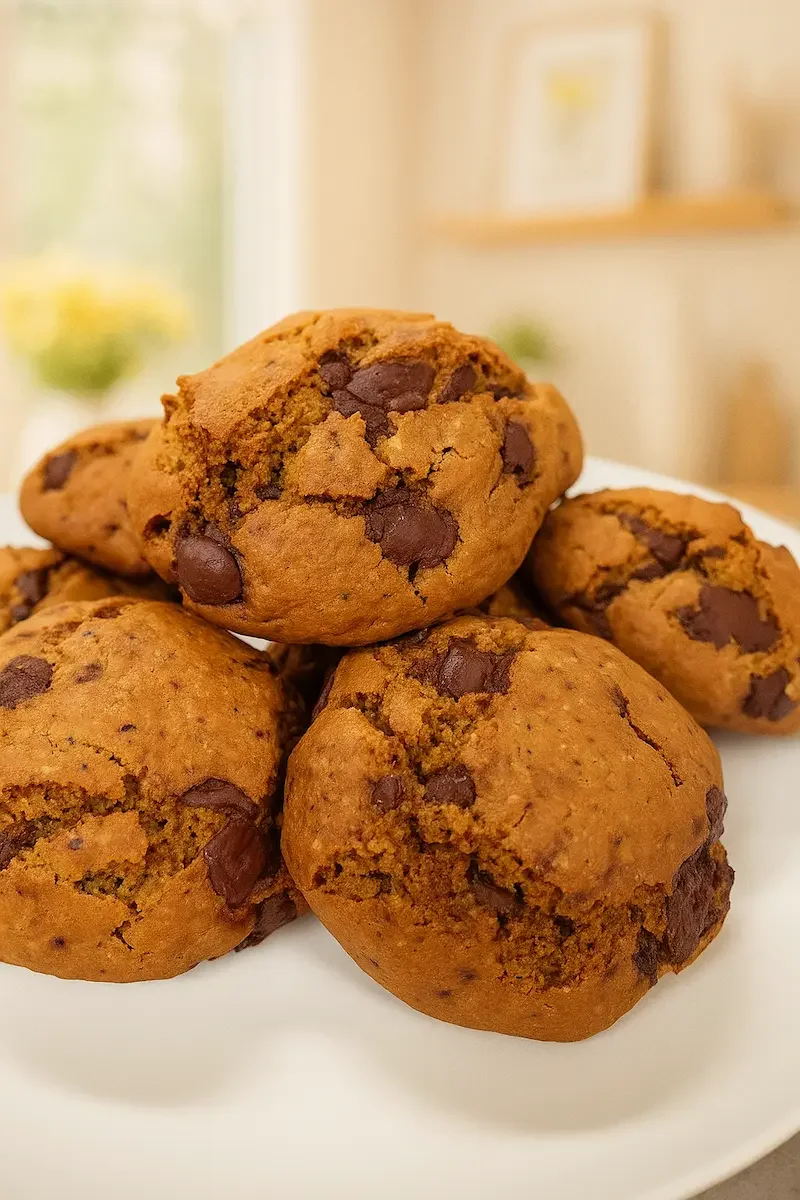
Gluten-Free Hemp Seed Chocolate Chip Cookies
Makes: 10 cookies
Prep time: 10 minutes
Cook time: 15-20 minutes
Ingredients
120 g (1 ¼ cups) almond meal
60 g (½ cup) tapioca flour
45 g (¼ cup) hemp seeds
60 g (½ cup) besan (chickpea) flour
1 tsp baking powder
Pinch of salt
2 tsp coffee granules
½ cup dark chocolate chips
60 g (¼ cup) melted butter
1 egg
60 g (3 tbsp) maple syrup
1 tsp vanilla extract
Method
Preheat oven to 180 °C and line a baking tray with paper.
In a bowl, combine almond meal, tapioca flour, hemp seeds, besan flour, baking powder, salt, and coffee granules.
In a separate bowl, whisk together melted butter, egg, maple syrup, and vanilla.
Pour the wet mixture into the dry ingredients and mix by hand or with a stand mixer (low speed) until a dough forms.
Fold in dark chocolate chips last to prevent them melting into the dough.
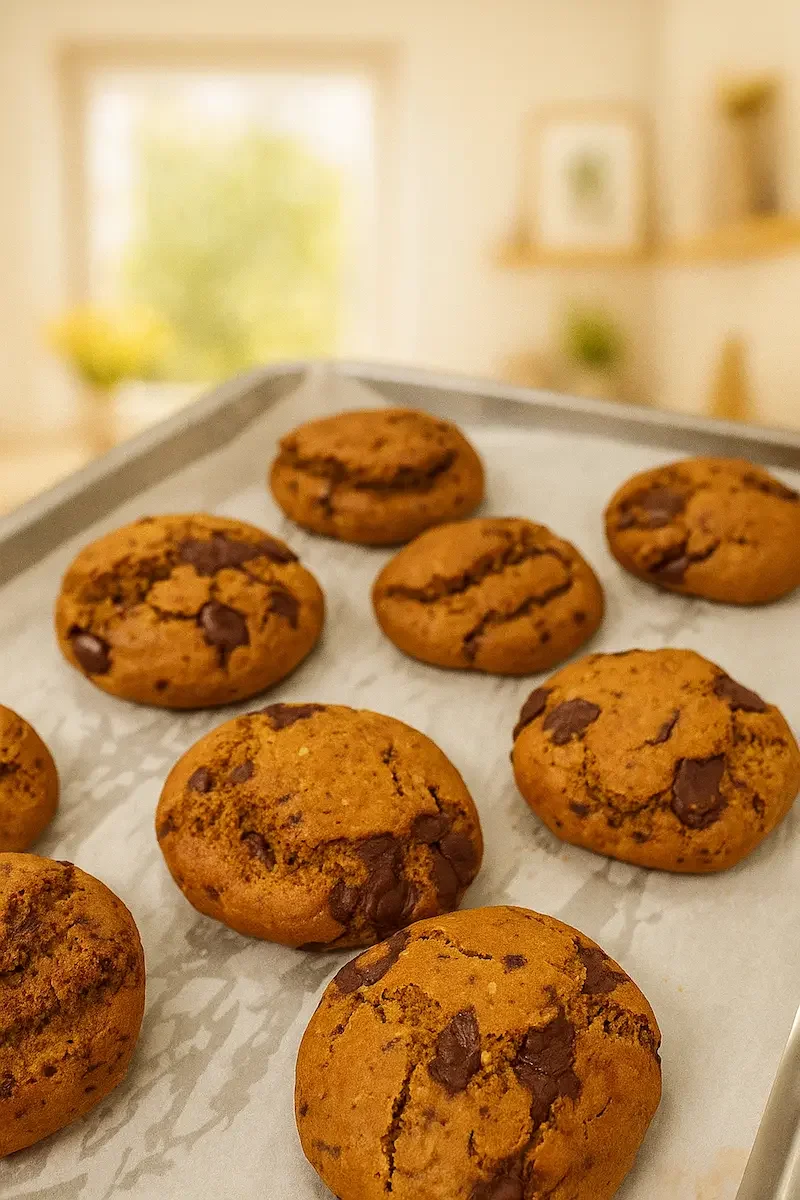
Divide the dough into 10 portions, roll into balls, flatten slightly, and place on the prepared tray.
Bake for 15-20 minutes or until lightly golden brown.
Cool completely before eating.
Storage: Store in an airtight container for up to 4 days, or freeze for up to 2 months.
References
Callaway, J. C. (2004). Hempseed as a nutritional resource: An overview. Euphytica, 140(1–2), 65–72. https://doi.org/10.1007/s10681-004-4811-6
Leizer, C., Ribnicky, D., Poulev, A., Dushenkov, S., & Raskin, I. (2000). The composition of hemp seed oil and its potential as an important source of nutrition. Journal of Nutraceuticals, Functional & Medical Foods, 2(4), 35–53.
Messina, M. (2014). Soy foods, isoflavones, and the health of postmenopausal women. American Journal of Clinical Nutrition, 100(Suppl 1), 423S–430S. https://doi.org/10.3945/ajcn.113.071464
Pittaway, J. K., Ahuja, K. D. K., Robertson, I. K., Ball, M. J., & Chapman, I. M. (2008). Effects of legume consumption on markers of glycaemic control in individuals with insulin resistance. British Journal of Nutrition, 100(3), 597–602. https://doi.org/10.1017/S0007114508921765
Watanabe, S., Yamaguchi, M., Sobue, T., Takahashi, T., Miura, T., & Kurashige, S. (2019). Effects of dietary intake of gamma-linolenic acid on premenstrual syndrome. Journal of Nutritional Science and Vitaminology, 65(1), 45–50. https://doi.org/10.3177/jnsv.65.45
© 2025 Feminalysis. All rights reserved. No part of this recipe may be reproduced without written permission.