
Pina Colada Mousse That Supports Women’s Hormone Health
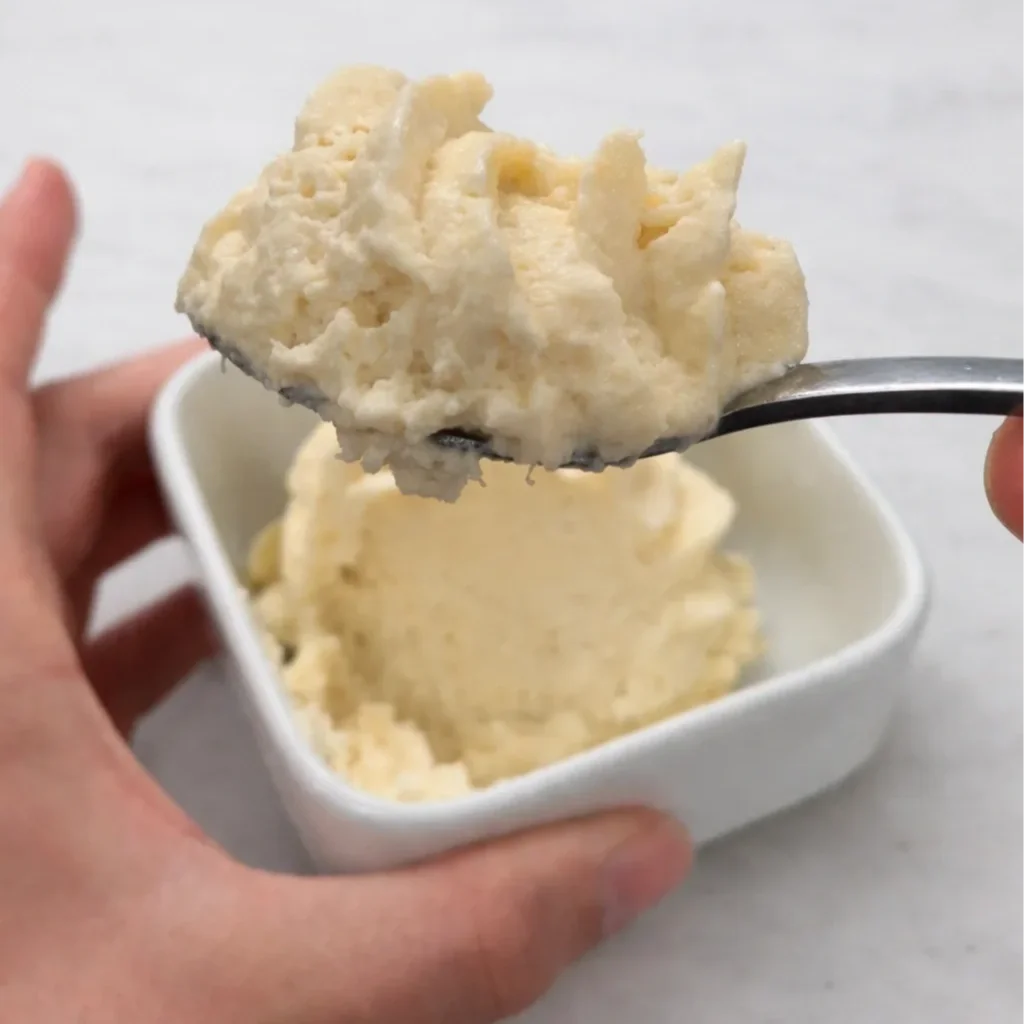
This dairy-free pina colada mousse tastes like holidays. Creamy, tropical, and light, it genuinely feels like you are eating dessert on a beach somewhere, without dairy, gluten, or refined sugar.
From a clinical nutrition perspective, this recipe does more than just taste good. It provides choline-rich egg yolks, bromelain-containing pineapple, and nourishing fats from coconut cream, all of which play meaningful roles in women’s hormone, liver, and metabolic health.
How Can Egg Yolks Support Women’s Health?
Egg yolks are one of the richest dietary sources of choline, a nutrient essential for cell membrane structure, neurotransmitter synthesis, and liver function. Choline is particularly relevant for women because it supports methylation pathways involved in eostrogen metabolism and detoxification via the liver (Clayton et al., 2014).
Low choline intake has been observed in many populations, especially among women, despite its importance for cognitive health, nervous system function, and reproductive outcomes. During periods of increased hormonal demand such as preconception and pregnancy, choline requirements are even higher (Detopoulou et al., 2019).
Egg yolks also provide fat-soluble vitamins including vitamin A and vitamin D, which are involved in immune regulation and endocrine signalling, making them a valuable inclusion in hormone-supportive eating patterns.
Is Pineapple Good for Hormones and Digestion?
Pineapple contains bromelain, a proteolytic enzyme that supports protein digestion and has anti-inflammatory properties. Bromelain has been shown to reduce inflammatory markers and support gastrointestinal function, which can be particularly beneficial for women experiencing bloating, gut discomfort, or inflammatory-driven hormone symptoms (Hale et al., 2005).
Pineapple is also a source of vitamin C, an essential antioxidant that supports adrenal health and helps reduce oxidative stress. Vitamin C plays a role in ovarian function and progesterone production, linking adequate intake to reproductive and hormonal health outcomes.
Can Coconut Cream Support Female Hormone Health?
Coconut cream is rich in medium-chain triglycerides, or MCTs, which are metabolised differently from long-chain fats. MCTs are rapidly absorbed and used for energy, supporting stable blood glucose levels and metabolic flexibility (St-Onge & Jones, 2002).
Dietary fat intake is essential for the synthesis of steroid hormones such as eostrogen and progesterone. Including adequate fat also helps slow gastric emptying and stabilise blood sugar, both of which are foundational for balanced cortisol and insulin signalling.
In this recipe, the thick, high-fat portion of coconut cream is what allows the mousse to whip and set properly, while the more liquid portion is folded back in for texture and balance.
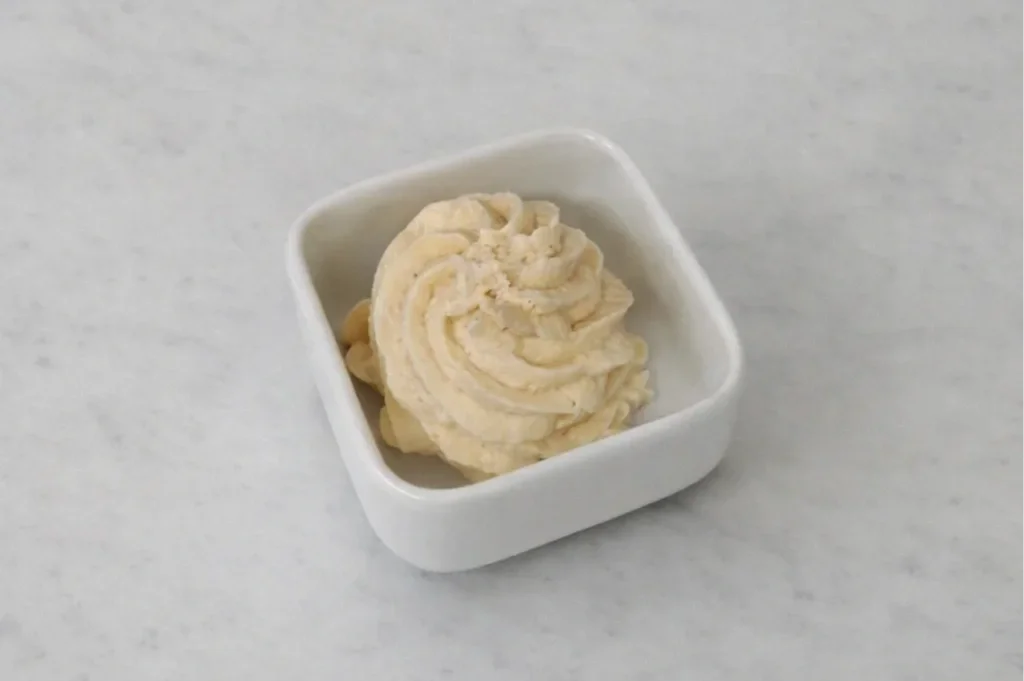
Pina Colada Mousse
Makes: 12 serves
Ingredients
500 g pineapple
125 g honey
10 egg yolks
1 teaspoon vanilla extract
4 gelatin sheets or 10g powdered gelatin
1 litre full-fat coconut cream
How Do You Make Dairy-Free Pina Colada Mousse?
Prepare the gelatin
Soak 4 gelatin sheets in cold water, or bloom 10 g powdered gelatin in water. Set aside.Cook the pineapple base
Blend the pineapple and honey until smooth. Transfer to a saucepan and bring to a gentle boil.Temper the egg yolks
In a separate bowl, whisk the egg yolks and vanilla. Slowly pour the hot pineapple mixture into the yolks while whisking continuously. This step tempers the egg yolks and prevents curdling.Thicken the mixture
Pour the mixture back into the saucepan and cook gently over low to medium heat, whisking constantly, until slightly thickened.Add gelatin
Remove from heat and whisk in the softened gelatin until completely dissolved.Whip and cool
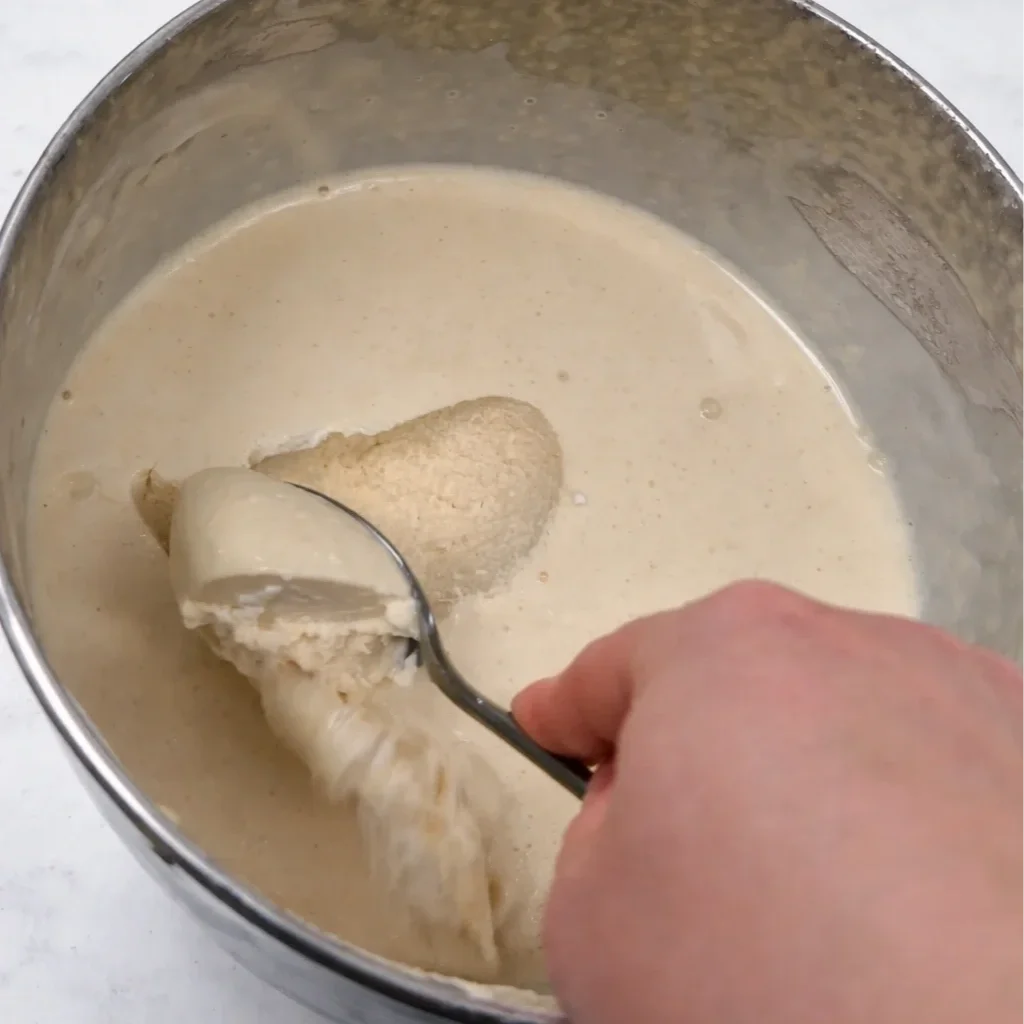
Transfer to a stand mixer or use an electric whisk. Whip until thickened and slightly cooled.Whip the coconut cream
Scoop out the thick, solid portion of the coconut cream into a bowl. This high-fat portion whips, while the liquid portion does not. Whip until soft to medium peaks form.Combine
Fold the liquid coconut cream back into the whipped portion. Gently fold through the pineapple egg yolk mixture until smooth.Set
Spoon into 12 serving glasses and refrigerate for at least 5 hours, or overnight, until fully set.
Why This Mousse Fits a Hormone-Supportive Diet
This dessert combines protein, healthy fats, and functional nutrients in a way that supports satiety, blood sugar stability, and hormone metabolism. It shows that hormone-supportive eating can still feel indulgent and enjoyable.
This is the kind of dessert I often recommend when clients want something special that still aligns with their health goals.
Want Personalised Hormone Nutrition Support?
If you are navigating PMS, PCOS, fertility support, or perimenopause, personalised nutrition can make a significant difference. You can book a consultation with me to tailor your food, supplements, and lifestyle strategies to your hormones.
References
Clayton, E. H., Hanstock, T. L., & Garg, M. L. (2014). Choline: Essential for brain development and function. Nutrition Reviews, 72(8), 501–509. https://doi.org/10.1111/nure.12120
Detopoulou, P., Papamikos, V., & Panagiotakos, D. B. (2019). Choline intake and cardiometabolic health. Nutrients, 11(5), 1109. https://doi.org/10.3390/nu11051109
Hale, L. P., Greer, P. K., Trinh, C. T., & Gottfried, M. R. (2005). Treatment with oral bromelain decreases colonic inflammation in the IL-10-deficient murine model of inflammatory bowel disease. Clinical Immunology, 116(2), 135–142. https://doi.org/10.1016/j.clim.2005.04.004
St-Onge, M. P., & Jones, P. J. H. (2002). Physiological effects of medium-chain triglycerides: Potential agents in the prevention of obesity. Journal of Nutrition, 132(3), 329–332. https://doi.org/10.1093/jn/132.3.329
© 2026 Feminalysis. All rights reserved. No part of this recipe may be reproduced without written permission.