
High-Protein Cottage Cheese and Pineapple Muffins
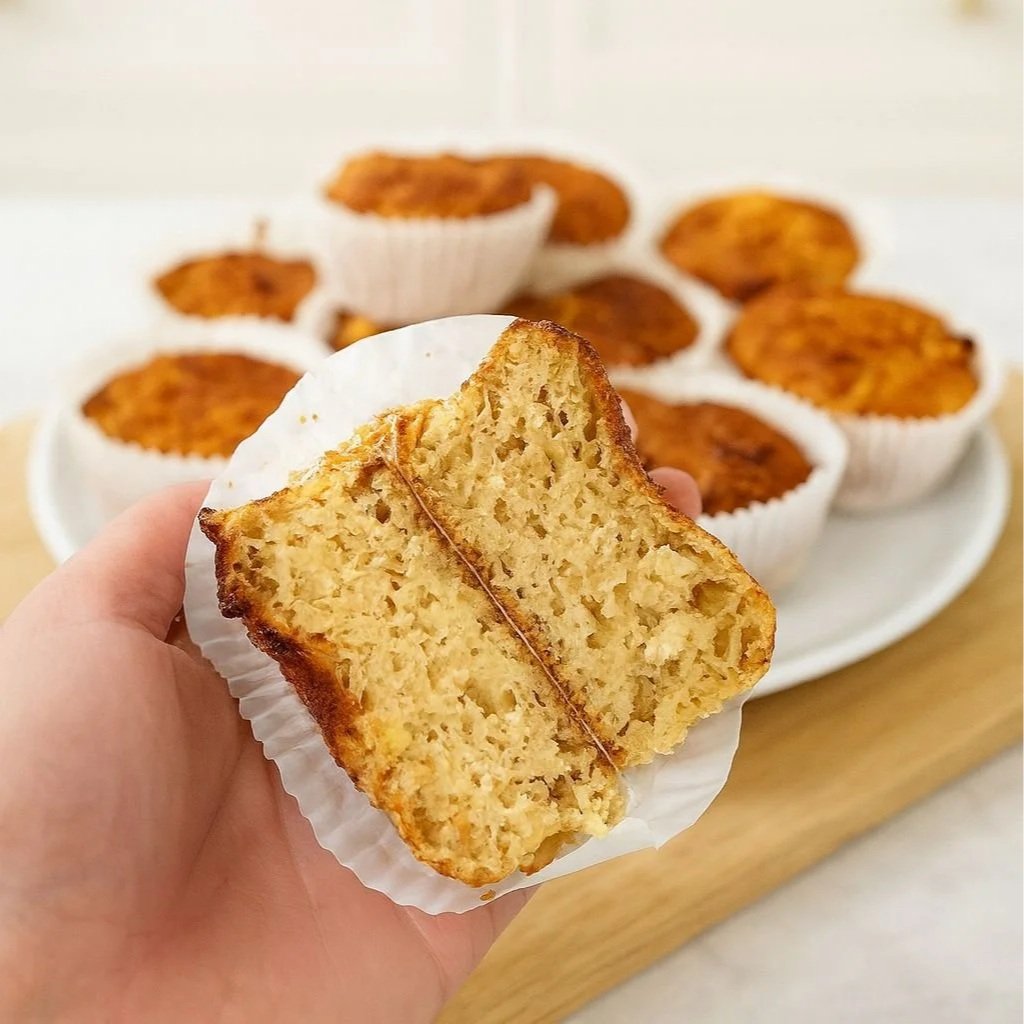
These high-protein cottage cheese and pineapple muffins are a nourishing snack that support women’s hormone health, digestion, and recovery. They are naturally sweetened with pineapple and a touch of honey, though you can leave the honey out as they are sweet enough without it. With fibre-rich oats, protein-packed cottage cheese, and the natural enzyme bromelain from pineapple, they are a smart choice for breakfast, school lunchboxes, or a quick snack.
Why cottage cheese is a great high-protein choice
Cottage cheese is an affordable and versatile food that is high in protein. It is particularly rich in casein, a slow-digesting protein that helps maintain satiety for longer periods (Baer et al., 2011). Protein intake is critical for hormone balance since amino acids are needed to synthesise neurotransmitters and reproductive hormones (Tremblay et al., 2016). For women, ensuring adequate protein also helps to stabilise blood sugar levels, which supports energy and reduces PMS symptoms (Leidy et al., 2015).
The benefits of oats for women’s hormone health
Oats are a source of soluble fibre, particularly beta-glucans, which improve cholesterol regulation, blood sugar control, and gut health (Whitehead et al., 2014). They also promote satiety, making them valuable for weight management. Oats can be a beneficial part of the diet for women experiencing PCOS, menopause, or cholesterol concerns.
Learn more in my detailed blog post: Oats for PCOS, menopause, cholesterol, and hormone health
Pineapple, bromelain, and recovery support
Pineapple adds natural sweetness and flavour, but it also contains bromelain, an enzyme with anti-inflammatory and digestive benefits. Bromelain helps break down protein into smaller amino acids, supporting digestion and reducing bloating (Maurer, 2001).
For women recovering from a caesarean section, bromelain may play a supportive role in healing. Research suggests that bromelain can help reduce post-surgical swelling, inflammation, and pain, contributing to faster recovery (Taussig & Batkin, 1988). Clinical reviews also note that bromelain may promote tissue repair and wound healing, although most benefits are observed when taken in concentrated supplemental form (Brien et al., 2004). While muffins cannot provide the therapeutic doses seen in supplements, including pineapple in your diet is still a gentle, food-first way to support recovery.
Professional advice
Bromelain supplements can interact with certain medications such as blood thinners, antibiotics, and anticoagulants, so they should only be used under professional guidance (Maurer, 2001). If you are considering using bromelain as a supplement for post-surgical recovery or hormone-related concerns, it is best to do so with the support of a qualified nutritionist.
Book a consultation with me at Feminalysis for tailored nutrition advice that supports your hormones, gut health, and recovery.
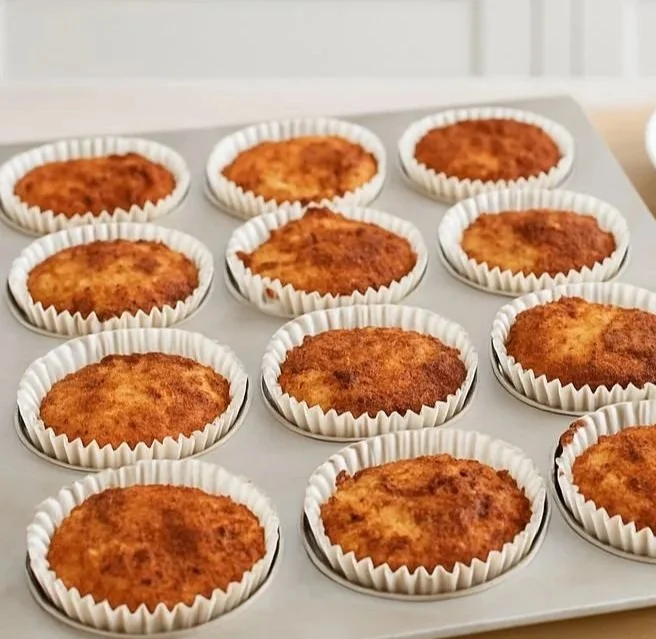
Cottage Cheese and Pineapple Muffins
Ingredients
Makes: 12 Muffins
250 g (1 cup) cottage cheese
2 eggs
60 g (3 tablespoons) honey (optional, these muffins are naturally sweet from pineapple juice)
1 tsp vanilla extract
250 g (1 cup) tinned pineapple, finely chopped and drained (choose pineapple in juice, not syrup)
200 g (2 cups) oats
½ tsp baking powder
½ tsp bicarbonate of soda
¼ tsp salt
Method
Preheat oven to 180 °C and line a 12-hole muffin tin.
In a food processor or blender, blend the oats until they resemble a fine flour.
In a mixing bowl, whisk together the eggs, cottage cheese, honey (if using), and vanilla.
Stir in the oat flour, baking powder, bicarbonate of soda, and salt.
Lightly pulse the pineapple in a food processor to break down chunks, then fold into the batter.
Divide evenly into the muffin tin and bake for 20-25 minutes until golden and set.
These muffins are freezer-friendly, high in protein and fibre, and an excellent women’s hormone health recipe to keep on hand for busy weeks.
Looking for more muffin recipes? Try my Greek yoghurt and raspberry muffins, savoury oat, zucchini and brie muffins, and apple oat raisin muffins.
References
Baer, D. J., Stote, K. S., Paul, D. R., Harris, G. K., Rumpler, W. V., & Clevidence, B. A. (2011). Whey protein but not soy protein supplementation alters body weight and composition in free-living overweight and obese adults. The Journal of Nutrition, 141(8), 1489–1494. https://doi.org/10.3945/jn.111.139840
Brien, S., Lewith, G., Walker, A. F., Hicks, S. M., & Middleton, D. (2004). Bromelain as a treatment for osteoarthritis: a review of clinical studies. Evidence-Based Complementary and Alternative Medicine, 1(3), 251–257. https://doi.org/10.1093/ecam/neh035
Leidy, H. J., Clifton, P. M., Astrup, A., Wycherley, T. P., Westerterp-Plantenga, M. S., Luscombe-Marsh, N. D., Woods, S. C., & Mattes, R. D. (2015). The role of protein in weight loss and maintenance. The American Journal of Clinical Nutrition, 101(6), 1320S–1329S. https://doi.org/10.3945/ajcn.114.084038
Maurer, H. R. (2001). Bromelain: biochemistry, pharmacology and medical use. Cellular and Molecular Life Sciences, 58(9), 1234–1245. https://doi.org/10.1007/PL00000936
Taussig, S. J., & Batkin, S. (1988). Bromelain, the enzyme complex of pineapple (Ananas comosus) and its clinical application. Journal of Ethnopharmacology, 22(2), 191–203. https://doi.org/10.1016/0378-8741(88)90127-4
Tremblay, F., Lavigne, C., Jacques, H., & Marette, A. (2016). Role of dietary proteins and amino acids in the pathogenesis of insulin resistance. Annual Review of Nutrition, 37(1), 293–321. https://doi.org/10.1146/annurev-nutr-071715-050909
Whitehead, A., Beck, E. J., Tosh, S., & Wolever, T. M. S. (2014). Cholesterol-lowering effects of oat β-glucan: a meta-analysis of randomized controlled trials. The American Journal of Clinical Nutrition, 100(6), 1413–1421. https://doi.org/10.3945/ajcn.114.086108
© 2025 Feminalysis. All rights reserved. No part of this recipe may be reproduced without written permission.